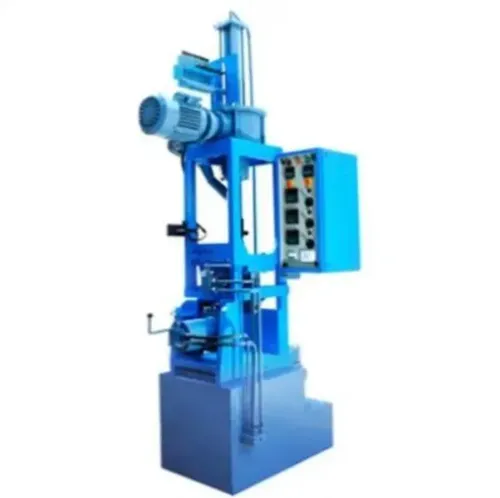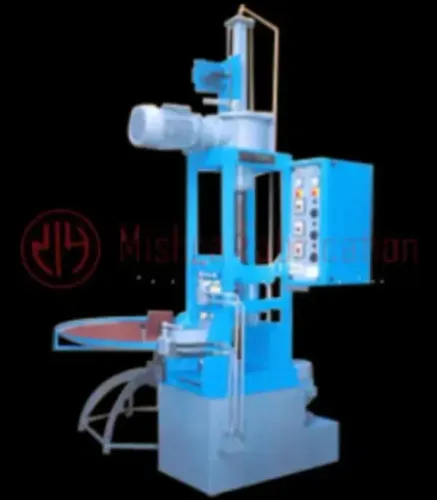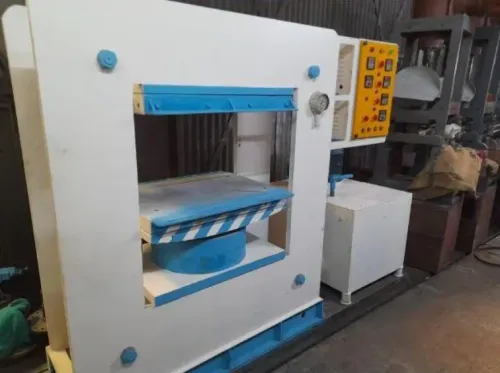
A scalable footwear factory is not simply a collection of high-capacity machines. It is a coordinated production system in which material preparation, moulding, pressing, finishing and inspection operate at compatible speeds.
Businesses investing in Industrial Footwear Machinery in Delhi NCR should plan the complete workflow before placing individual equipment orders. This prevents bottlenecks, unnecessary handling and underused capacity.
Start With the Product Mix
The required machinery depends on what the factory will produce. PVC slippers, EVA footwear, shoe soles and safety footwear follow different process routes.
Define:
- Product categories
- Material types
- Size range
- Number of designs
- Colours per design
- Daily order volume
- Seasonal demand variation
- Quality requirements
A factory producing a limited range in high volumes may benefit from greater automation. A unit handling frequent style changes may require more flexible equipment and faster changeovers.
Map the Production Sequence
Create a process map from raw-material receipt to finished-product packing. For each stage, record cycle time, operator requirement and expected output.
A typical line may involve:
- Material preparation
- Moulding or forming
- Cooling and stabilisation
- Trimming
- Surface preparation
- Assembly or bonding
- Sole pressing
- Finishing
- Inspection
- Packing
The slowest stage generally limits the output of the entire line.
Balance Machine Capacities
If moulding produces 1,000 pairs per shift but finishing can handle only 600, purchasing another moulding machine will not solve the production problem. It may instead increase unfinished inventory and floor congestion.
Capacity planning should include planned maintenance, product changes and realistic operator efficiency. Equipment rarely runs at its theoretical maximum throughout every shift.
Design an Efficient Layout
Machines should be positioned to reduce material travel and prevent crossing movement between raw materials, work-in-progress and finished goods.
A good layout provides:
- Clear operator paths
- Safe mould handling
- Maintenance access
- Defined material storage
- Ventilation around heated processes
- Separation of inspection areas
- Space for future equipment
- Accessible emergency exits
Factories in established Delhi NCR industrial areas may have structural columns or limited floor space. These constraints should be incorporated into the layout at the planning stage.
Plan Utilities Early
Machinery may require electricity, compressed air, cooling water, hydraulic oil and ventilation. Adding utilities after installation can cause delays and unsafe temporary arrangements.
Prepare a load schedule covering normal demand, startup demand and future expansion. Electrical protection, earthing and cable routing should be designed by qualified professionals.
Select the Right Level of Automation
Automation can improve consistency and output, but it must suit production volume and maintenance capability. Evaluate whether the factory has trained technicians and access to spare parts.
A practical automation plan may be introduced in stages. Machines can be selected with provisions for later conveyors, handling systems or additional stations where technically feasible.
Establish Quality Control Points
Inspection only at the end of the line allows defects to accumulate. Add checks after moulding, trimming, bonding and pressing.
Track measurements such as product weight, dimensions, surface finish, bonding quality and rejection reasons. This information helps identify drift before it becomes a large batch problem.
Coordinate With the Machinery Provider
Mishra Fabrication works with industrial and footwear machinery requirements in Delhi NCR. During planning, the company can be provided with product samples, facility dimensions, current output and future targets to support machine selection.
Buyers should request layout information, utility requirements, delivery sequencing and commissioning responsibilities in writing.
Build for Controlled Expansion
Reserve practical space and utility capacity for anticipated growth, but avoid purchasing machinery that will remain unused for years. Expansion should be connected to measurable demand.
A scalable production line balances capacity, workforce, quality and material flow. Careful planning enables footwear manufacturers to increase output without multiplying delays, inventory and operating complexity.
Keywords