

The purchase only pays off when your factory can keep the equipment busy with saleable pairs, compatible materials, suitable moulds, and a complete downstream process. By mapping the production stages, certification requirements, infrastructure, and total-cost break-even point, you can decide whether to buy a machine, expand an existing line, or continue outsourcing.
Key takeaways
- Confirm whether the machine makes soles, attaches uppers, or completes both operations.
- Match injection equipment to PVC, PU, EVA, mould design, and shoe construction.
- Calculate break-even using usable output, utilisation, labour, scrap, and maintenance costs.
- Require certification documents, infrastructure specifications, and a witnessed acceptance test.
What Does a Safety Shoe Making Machine Actually Produce?
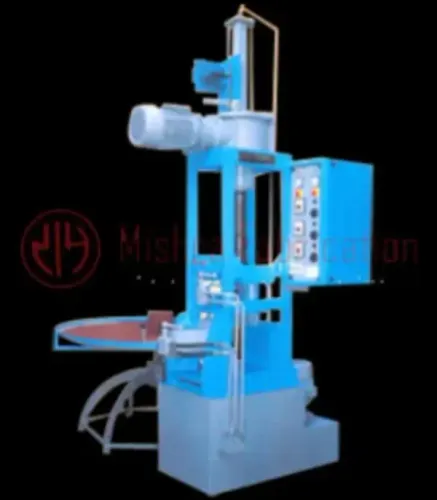
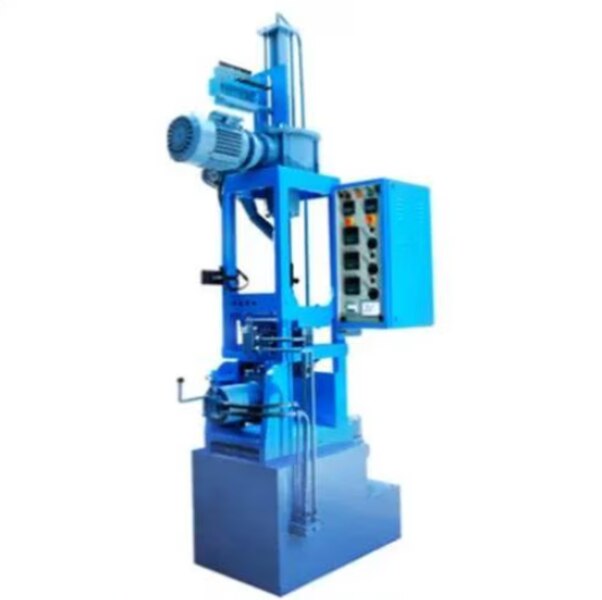
Most equipment sold as a safety shoe machine for factory production does not produce a complete certified pair. A sole-injection or direct-injection machine meters PVC, PU, or another compound into a mould; it may form a separate sole or attach the sole to an upper placed on a last.
It does not certify the finished shoe.
A complete production setup still needs:
- Prepared uppers and lasts
- Toe-cap and anti-penetration-plate fitting
- Moulds, dosing units, and material handling
- Compressed air, cooling, trimming, and finishing
- Finished-pair inspection, testing, and packaging
The machine’s exact role depends on its construction. In a direct-injection process, an operator positions the upper and protective components on the last, closes the mould, and injects the sole around the upper.
In a separate-sole process, the machine makes the sole first; workers attach it to the upper later using adhesive, stitching, or another bonding method.
Do not treat an attractive sample as a certified safety shoe. EN ISO 20345 applies to the finished footwear, including protective-toe performance, sole behaviour, bonding, and other required tests. A supplier’s statement or a toe cap that fits correctly cannot establish compliance.
Ask the quotation to identify every included stage, mould set, feeder, and accessory. If it covers only the injection press, calculate the cost of the missing line before deciding whether the equipment is worth buying.
Match the Machine to Your Sole Material and Shoe Construction
Start with the sole compound: one press is not automatically suitable for PVC, PU, EVA, TPU, and rubber. The safety shoe making machine benefits disappear if an unsuitable screw, dosing system, mould, or temperature-control range creates bubbles, weak bonding, or inconsistent hardness.
| Material | Required machine arrangement | Main limitation |
|---|---|---|
| PVC | PVC-compatible screw, heated barrel, metering unit, and mould | Cleaning and temperature changes are needed before switching compounds |
| PU | Two-component dosing, mixing head, controlled mould temperature, and curing time | A PVC injection press cannot produce PU at the same quality |
| EVA | EVA-capable dosing and mould system with controlled expansion and cooling | Density and shrinkage vary with formulation and cycle settings |
| Rubber | Rubber injection or compression equipment with vulcanisation control | A standard thermoplastic machine is not a rubber line |
1. Specify the complete construction: direct-injected sole, cemented sole, or moulded sole bonded to a prepared upper. Confirm whether the machine handles only the sole or also positions the upper, last, toe cap, and anti-penetration insert.
2. Match the mould to the product range. Ask for separate cavities or interchangeable tooling for toe-cap clearance, midsoles, heel profiles, tread patterns, sizes, and dual-density soles. A mould that fits one upper is not a flexible product platform.
3. Run trials using your actual upper, steel or composite toe cap, insert, compound, colour, size range, and target cycle. Record bonding, leakage, dimensions, hardness, shot weight, and visible defects.
4. Treat certification as a finished-shoe issue. Changing the compound, toe cap, sole design, or construction can require renewed EN ISO 20345 testing and technical evidence.
Calculate Output, Utilisation, and the Real Break-Even Point
A machine repays itself only through accepted pairs, not rated cycles. To answer “is safety shoe making machine for worth buying,” calculate contribution margin per accepted pair, then divide the complete investment by the cash contribution those pairs generate.
Use this sequence:
- Estimate accepted output: cycles per hour × cavities × operating hours × working days × realistic utilisation × acceptance rate.
- Calculate contribution per pair: selling price minus material, direct labour, electricity, mould amortisation, trimming, testing, packaging, and variable rework.
- Add the complete investment: machine, moulds, freight, installation, compressor, cooling, electrical work, dosing equipment, lasts, training, spare parts, calibration, and commissioning.
- Include financing, preventive maintenance, laboratory testing, rejected pairs, changeover time, and downtime in the monthly cash forecast.
If installed investment totals 1,000,000 and contribution is 100 per accepted pair, break-even is 10,000 accepted pairs. At 2,000 accepted pairs per month, the simple payback is five months; at 1,000, it is ten. That result collapses if the machine runs at 40% utilisation, rejects rise, or mould changes reduce available hours.
Do not use outsourced assembly cost as the saving unless the machine replaces that exact work. A sole-injection press still needs upper preparation, toe-cap and anti-penetration-plate fitting, finishing, testing, and packaging. Model those costs separately, then buy only when the conservative output forecast reaches break-even within your required payback period.
Check Certification, Factory Infrastructure, and Acceptance Tests
Do not release the machine after a supplier demonstration alone. A safety shoe manufacturing machine cost is justified only when the finished footwear, factory services, and buyer-run acceptance trial meet written targets.
1. Confirm the finished shoe’s certification route. EN ISO 20345 covers safety footwear, including protective-toe performance. Test the assembled shoe for toe-cap impact and compression, sole performance, bonding, leakage, and any market-specific slip or penetration requirements. A machine statement does not certify the shoe.
2. Inspect the installation site against the supplier’s load schedule: level reinforced floor, adequate working clearance, electrical capacity, earthing, compressed-air pressure and flow, cooling-water supply, ventilation, and material-dosing space. Include lasts, moulds, trimming, testing, and packaging; an injection press alone is not a complete line.
3. Run the acceptance trial with your actual uppers, toe caps, inserts, compounds, sizes, moulds, and target cycle. Record shot weight, injection pressure, material-temperature stability, cycle time, dimensions, bonding or leakage results, and defect rate.
4. Require a continuous production run at the promised output, not a single good pair. Count accepted pairs, rejects, stoppages, changeover time, and operator interventions, then compare the signed results with the purchase contract.
Keep calibration certificates for gauges and temperature sensors, and document every failed sample and corrective action. Approve the machine only after repeat samples pass the agreed limits and the factory can sustain the run with its own utilities and operators.
How to Compare a Supplier and Decide Whether to Buy
The cheapest quotation is not the cheapest purchase if a failed dosing unit leaves production waiting for imported parts. Compare the offer by total ownership cost, service capability, and proven results—not by press price alone.
Factory-ready quote | Underpriced offer Complete scope | Press, moulds, auxiliaries, freight, installation, commissioning, training, and required mould sets are itemised | Moulds, cooling, compressor, installation, or commissioning are excluded Service | Named commissioning personnel, response time, warranty exclusions, and escalation contact are written | “Service support” is promised without a response time Spare parts | Local stock or confirmed availability for heaters, sensors, seals, hydraulic parts, dosing components, and temperature controllers | Critical parts are imported with no delivery commitment Performance proof | Buyer-run trial records shot weight, pressure, temperature stability, cycle time, defects, and continuous operation | Supplier samples or water trials replace production testing References | You can speak to factories making the same material, sizes, toe-cap construction, and sole design | References concern unrelated products or different materials
Ask the supplier to price electrical and cooling infrastructure, compressor capacity, operator training, preventive maintenance, calibration, laboratory testing, rejected pairs, and mould changes. Those omissions can overturn the safety shoe manufacturing machine cost calculation.
A safety shoe machine supplier India search is only a starting point. Request two site references and verify uptime, actual output, service response, and spare-part delays directly. Mishra Fabrication should be assessed by this same evidence, not by its quotation alone.
Related product
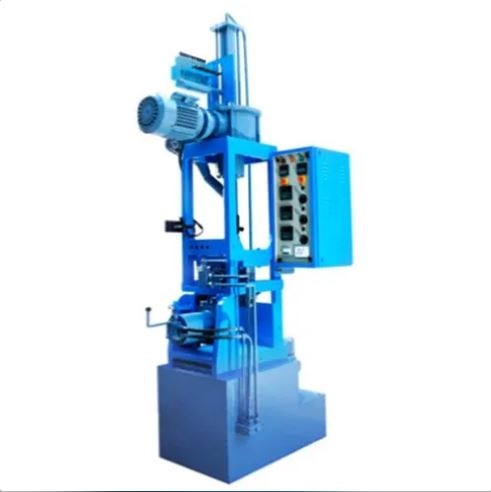 | Sole Making Machine ₹499999 Capacity(Shoes/Day) 800 Country of Origin Made in India Established in the year 1970, at Delhi, India, we, “Mishra Fabrication” are one of the... View product → |
Frequently asked questions
What does a safety shoe making machine actually produce?
A machine may mould a separate sole or inject a sole directly onto an upper placed on a last. Confirm whether it produces a complete certified pair.
How do you match a safety shoe machine to sole material and construction?
Choose equipment that supports your compound, such as PVC, PU, or EVA, and matches your sole mould, upper, last, and direct-injection process.
How do you calculate whether a safety shoe manufacturing machine will pay for itself?
Use usable pairs per shift, realistic utilisation, labour, scrap, maintenance, energy, tooling, and selling margin to calculate the break-even volume and time.
What should you check before buying a safety shoe machine for a factory?
Check certification documents, electrical and utility requirements, factory space, mould compatibility, commissioning support, and a witnessed acceptance test.