Uneven blending can originate in the recipe, weighing system, material condition, mixer geometry, drive performance or discharge process. By quarantining the affected batch, checking each possible cause in sequence and running a controlled test batch, you can decide whether to rework the material, correct the machine or stop production for repair.
Key takeaways
- Quarantine the batch and stop heating, agitation and discharge.
- Compare the weighed recipe with feeder settings and actual material flow.
- Inspect worn blades, vessel clearance, drive speed and temperature control.
- Take samples from the top, middle and bottom before releasing the batch.
Quarantine the Batch and Make the Mixer Safe
Quarantine the batch immediately; do not keep the mixer running or release the material. This is the first step in how to restore a mixture machine after uneven material blending in Delhi, because continued agitation, heating or discharge can spread a local overdose through otherwise usable material.
- Stop the mixer, isolate electrical power at the main disconnect, apply lockout/tagout, and prevent an unexpected restart.
- Identify the batch, seal or clearly mark every container, and keep it separate from approved stock.
- Take representative samples from the beginning, middle and end of discharge. A single surface scoop can miss stratification, fines-rich zones or settled additive.
- Compare those samples with an approved batch for composition, colour, moisture and melt-flow results before choosing remixing, rework or scrap.
- Remove material only after the vessel, discharge gate and drive are safe; then clean residue from the vessel, lid, corners, paddles and outlet before a trial.
Do not automatically add off-spec material to a fresh batch. A concentrated pigment, filler or additive can turn remixing into an overdose, while overheated or degraded plastic can deteriorate under further heat and shear. Permit rework only with a documented maximum percentage, compatibility check and release test.
Record the failed-batch number, recipe version, fill mass, addition times, speed profile, temperature trend, feeder checks, sample results, corrective action and final disposition. This makes mixture machine uneven blending in Delhi diagnosable instead of dependent on an operator’s memory.
Prove Whether the Recipe or Feed System Caused the Fault
Separate them by reproducing the recipe with verified feeds: if the ingredients arrive in the programmed quantities but still segregate, investigate the machine; if quantities or loading order are wrong, correct the recipe or feed system first.
Check the feed path before changing mixer speed. Confirm that the feeder, weigh hopper and load cells deliver the set mass, then inspect for bridging, rat-holing, worn dosing screws, changing powder bulk density and an unlevel weighing platform. A calibration error can create an uneven batch that no amount of remixing will repair.
Compare retained samples from the beginning, middle and end of discharge with an approved batch. Use separate checks for colour, moisture, bulk density and filler or ash content; use melt-flow testing only within its defined limits, because degradation, moisture and test temperature can change the result without proving blend uniformity.
Verify the approved addition sequence against the batch record. Confirm that:
- Carrier resin entered before powders or fillers.
- Pigments dispersed before liquid additives.
- Liquids were pre-diluted or distributed across the intended zone.
- Fill level matched the recipe and mixer design.
If feed quantities and sequence pass, compare line voltage, phase balance, motor current, drive frequency, rotor speed and actual batch temperature with normal records. A displayed command speed does not prove that a slipping coupling or overloaded drive achieved it.
For mixture machine recovery after blending problems in Delhi, preserve the failed-batch code, recipe version, fill mass, addition times, speed profile, temperature trend, feeder checks, sample results, corrective action and final disposition. This evidence separates a repeatable formulation error from an intermittent machine fault.
Inspect the Mixing Tools, Vessel and Drive
Record line voltage, phase balance, motor current, drive frequency, rotor speed and actual batch temperature while the fault occurs. For plastic mixture machine troubleshooting in Delhi, this log matters because the drive can show commanded speed while a slipping coupling, overloaded motor or unstable supply produces a different shaft speed.
Check the physical assembly before changing the recipe:
- Compare actual working fill with the manufacturer’s rated range. Underfilling weakens circulation; overfilling overloads the drive and leaves material near the wall or lower corners.
- Inspect paddles, blades, scrapers and liners for wear, bending, incorrect position, product build-up and excessive wall clearance.
- Turn the isolated shaft by the approved maintenance method and check bearings, seals, couplings and shaft runout. A repeatable dead zone points to a mechanical fault.
- Open the discharge gate fully during inspection. A partly opening outlet leaves residue that contaminates the next batch and alters discharge timing.
- Confirm the feeder, weigh hopper and dosing screws delivered programmed quantities; bridging, rat-holing, screw wear or unlevel load cells can imitate a mixer failure.
Check the electrical evidence against the physical result:
| Check | What indicates a fault | What it rules in |
|---|---|---|
| Motor current | Spikes or imbalance between phases | Overload, binding or supply trouble |
| Rotor speed | Actual speed differs from displayed speed | Slip, coupling damage or drive feedback error |
| Drive frequency | Stable command but unstable mixing | Mechanical transmission fault |
| Batch temperature | Unexpected rise or cold zones | Excess friction or poor circulation |
A genuine machine problem repeats under the same fill, recipe and loading order. Document the failed-batch ID, findings and corrective action.
Run a Controlled Trial and Sample the Whole Batch
Choose the trial from the last approved production record, not from guesswork. Use the approved recipe version, ingredient order, fill mass, addition times, speed profile and temperature limits; change only one suspected cause at a time. A smaller trial is useful for safety, but an underfilled vessel can blend differently from the production fill level.
To show how to restore a mixture machine after uneven material blending in Delhi, run the trial under recorded conditions and capture:
- Feeder output, load-cell readings, weigh-hopper accuracy and dosing-screw delivery for every ingredient.
- Rotor or paddle speed, drive frequency, motor current, line voltage, phase balance and actual batch temperature.
- Samples from the beginning, middle and end of discharge, taken from the stream rather than only the surface.
- Composition, colour, moisture and melt-flow results for each sample, compared with an approved batch and its acceptance limits.
| Trial condition | Hold constant | Evidence of restored blending |
|---|---|---|
| Approved recipe and loading order | Ingredient weights and addition times | No weight or dosing error |
| Validated fill and speed profile | Vessel load, rotor speed and mixing time | Consistent start, middle and end samples |
| Temperature limit and discharge timing | Heating, cooling and outlet sequence | No overheated zones or residue-rich discharge |
Do not release the batch because one scoop looks uniform. Record the failed-batch code, sample results, corrective action and final disposition; remix only after confirming that local pigment, filler or additive concentration will not create an overdose.
Account for Delhi Conditions and Document the Correction
A mixture machine recovery after blending problems in Delhi needs a site-specific record, not an operator’s recollection. Log the failed batch, room temperature and humidity, raw-material storage condition, and whether dust or moisture entered through an open hopper. Seasonal humidity can change powder flow; heat can alter bulk density and feeder behaviour.
For mixture machine uneven blending in Delhi, verify that the feeder, load cells, weigh hopper and dosing screws delivered the programmed quantities. Check for bridging, rat-holing, worn screws, changing powder bulk density, and an unlevel or uncalibrated weighing system. Record these fields:
- Failed-batch identification, recipe version, fill mass and ingredient addition times
- Speed profile, drive frequency, rotor speed, line voltage, phase balance and motor current
- Batch-temperature trend, feeder checks, beginning/middle/end sample results, corrective action and final disposition
During plastic mixture machine troubleshooting in Delhi, compare those readings with an approved batch. A displayed command speed does not prove that an overloaded motor or slipping drive achieved it. Store powders in sealed containers, test moisture after humid storage, and inspect the vessel, paddles and discharge gate for residue before the next run.
Do not return off-spec material automatically. Define a maximum rework percentage, compatibility check and release test; reject material that is overdosed, overheated or degraded. When a repeat fault needs technical review, send the complete trend and sample record to Mishra Fabrication rather than reporting only “uneven mixing.”
Related product
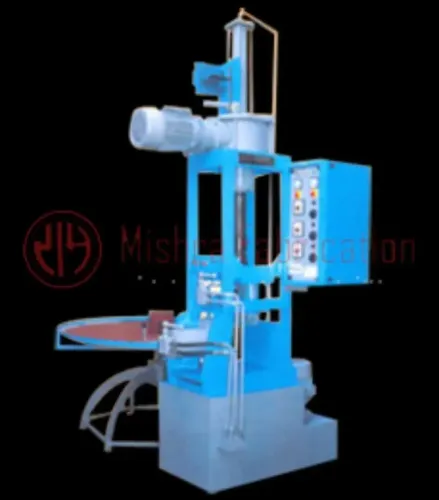
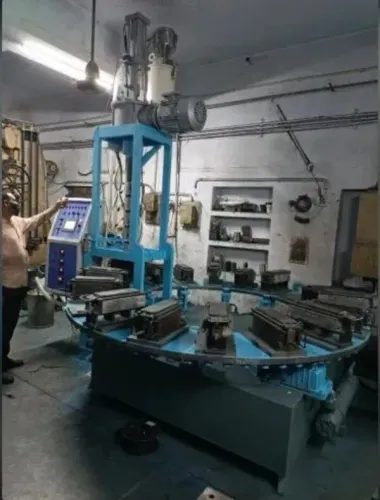
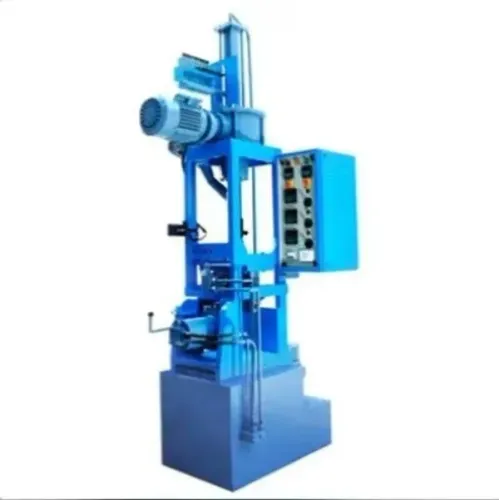
 | Mixture Mishra Fabrication is a trusted name in manufacturing high-performance Mixture Machines, designed to deliver efficient, uniform, and fast mixing for... View product → |
Frequently asked questions
What should you do first after uneven blending in a mixture machine?
Quarantine the batch, stop the mixer, isolate energy sources and prevent further heating, agitation or discharge.
How can you tell whether the recipe or feed system caused uneven blending?
Compare the approved recipe with weighed additions, feeder settings, material flow and the timing of each ingredient charge.
Which mixture machine parts should you inspect after a blending fault?
Inspect the mixing tools, vessel walls, clearances, seals, drive, speed control, temperature system and discharge path for wear or blockage.
How do you confirm that a recovered batch is uniformly blended?
Run a controlled trial, then sample the top, middle and bottom of the batch and compare composition or performance results.
Keywords