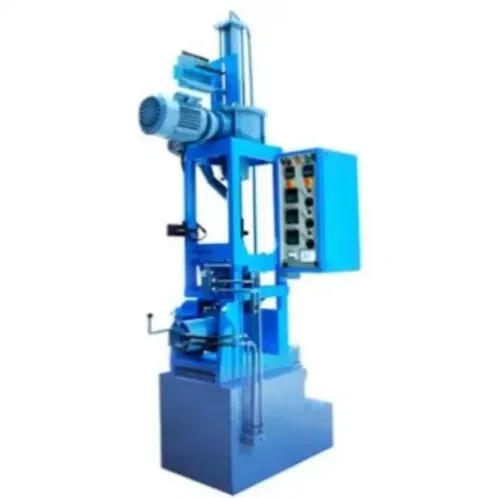
An injection moulding machine affects quality, productivity, power consumption and maintenance costs for many years. Procurement teams therefore need a structured method for evaluating manufacturers rather than depending on quotations alone.
This checklist can help buyers assess an Injection Molding Machine Manufacturer in Delhi NCR before committing capital or approving a new production line.
1. Confirm Application Understanding
The manufacturer should request information about the moulded product, material, shot weight, mould dimensions, number of cavities and required output.
Be cautious when a machine is recommended without these details. Model selection based only on an approximate product category can result in insufficient injection capacity or unnecessary clamping tonnage.
2. Review the Technical Specification
The proposal should state:
- Clamping force
- Injection capacity
- Screw diameter
- Maximum injection pressure
- Platen size
- Tie-bar spacing
- Mould thickness range
- Opening stroke
- Ejection arrangement
- Connected electrical load
Compare these parameters with the intended mould rather than comparing model names.
3. Inspect Structural Construction
The frame and clamping mechanism should remain stable under repeated loads. Poor alignment can accelerate mould wear and create uneven products.
During a workshop visit, examine welding quality, machined surfaces, platen alignment, access for maintenance and protection of electrical and hydraulic systems.
4. Check Major Components
Ask for the brands and ratings of motors, pumps, valves, controllers, sensors, heaters and electrical protection devices.
Component transparency makes it easier to compare quotations and plan future maintenance. Locally available standard components may reduce downtime, provided they meet the application’s technical requirements.
5. Evaluate the Control System
The controls should allow accurate setting and monitoring of temperature, pressure, speed and timing. The interface must also be understandable for operators.
Useful functions include parameter storage, alarms, production counters and diagnostic information. Request a demonstration of how common settings and faults are handled.
6. Verify Safety Systems
Safety should be built into the machine rather than treated as an optional accessory. Inspect physical guards, emergency stops, interlocks and mould-protection functions.
Ask whether the machine follows applicable electrical and industrial safety practices. Training should include safe mould changing and maintenance isolation procedures.
7. Witness a Trial
A trial reveals more than a brochure. Use the proposed material and a comparable mould whenever possible.
Observe:
- Cycle repeatability
- Product weight variation
- Surface quality
- Flash or short filling
- Temperature stability
- Machine noise and vibration
- Ease of operation
- Time required for setup
Run enough cycles to identify instability after the machine reaches operating temperature.
8. Examine Service Readiness
Clarify who will install and commission the machine, how operators will be trained and how quickly technical assistance can reach the factory.
Delhi NCR covers a wide industrial area, so buyers should confirm service arrangements for their exact location. Spare-part lists and preventive-maintenance schedules should be available before production starts.
9. Study Warranty Terms
Warranty coverage should identify included components, exclusions, claim procedures and responsibilities for travel or labour. Verbal assurances should be incorporated into the commercial agreement.
Also ask what support is available after the warranty ends.
10. Compare Total Cost
Purchase price is only one element. Include installation, power use, oil, cooling equipment, tooling, maintenance, labour and anticipated rejection rates.
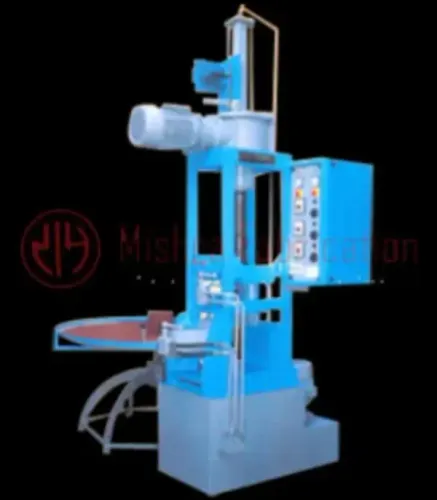
Mishra Fabrication can be assessed against this checklist when buyers are comparing industrial or footwear-related moulding machinery. Product data and production targets should be shared to obtain an application-specific proposal.
11. Speak With Existing Users
Where feasible, request references from factories using a similar machine. Ask about output, reliability, service response and recurring maintenance rather than seeking only a general opinion.
12. Define Acceptance Criteria
The purchase order should state the required trial material, sample quality, cycle expectation and installation deliverables. Clear acceptance criteria reduce disagreement during commissioning.
A disciplined evaluation helps procurement managers distinguish between an attractively priced machine and equipment capable of dependable production. Technical fit, build quality and support readiness should carry as much weight as the initial quotation.
Keywords