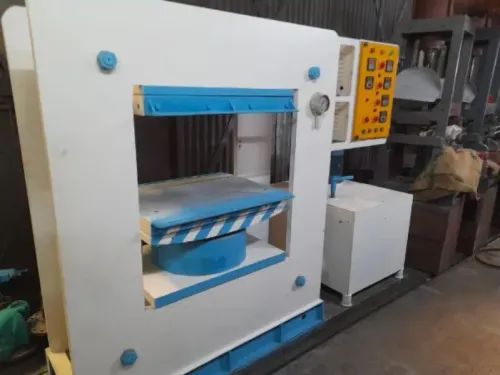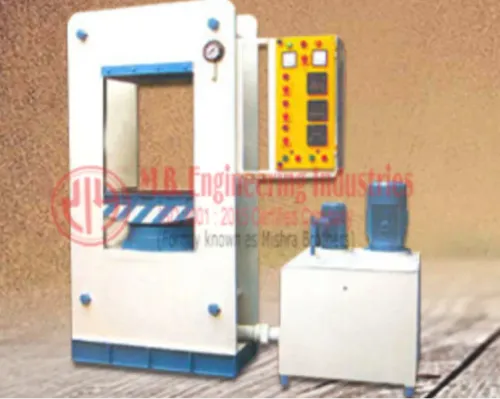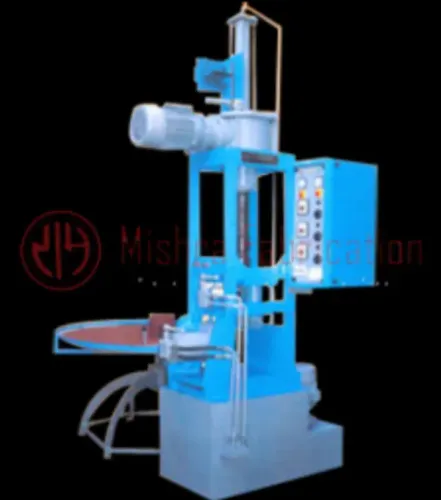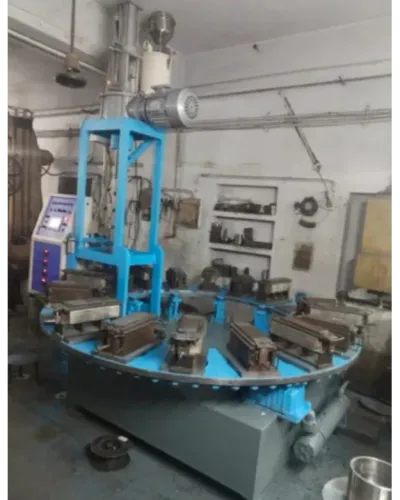

Selecting the right Injection Moulding Machine in Delhi NCR is one of the most important decisions for footwear manufacturers looking to improve production efficiency and product consistency. Whether you operate a small manufacturing unit or a large-scale factory, the quality and capability of your machinery directly influence production speed, material utilization, and the final quality of footwear components.
Delhi NCR has become a major manufacturing and industrial hub, making it easier for footwear businesses to access advanced machinery, technical support, and experienced equipment providers. However, choosing the right machine requires more than comparing specifications. Understanding production requirements, material compatibility, and long-term operating costs can help businesses make informed decisions.
What Is an Injection Moulding Machine?
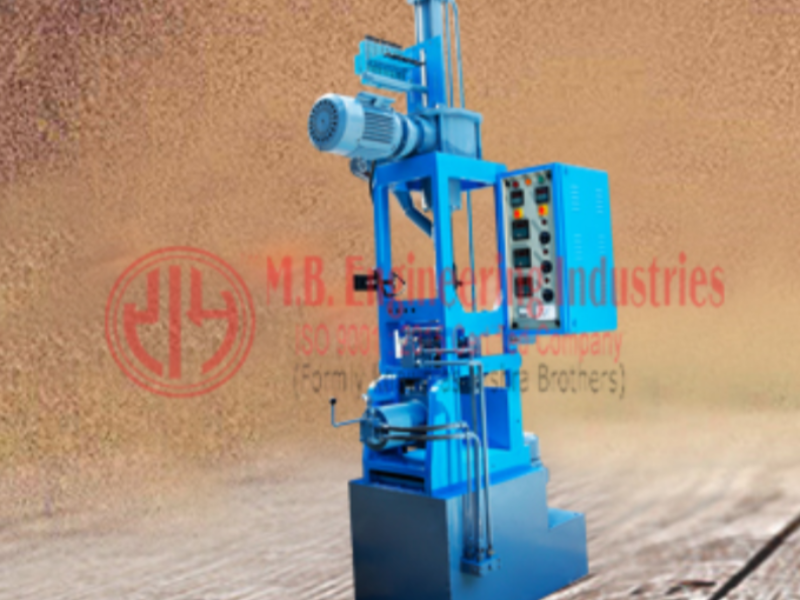
An injection moulding machine is designed to produce footwear parts by injecting heated material into specially designed moulds. Once the material cools and solidifies, the finished component is removed and prepared for further assembly or finishing.
In the footwear industry, these machines are commonly used to manufacture:
- Shoe soles
- Sandal soles
- Industrial safety footwear components
- EVA-based footwear parts
- PVC footwear products
- Rubber footwear components
Modern machines are designed to provide consistent pressure, accurate temperature control, and repeatable production cycles, helping manufacturers achieve uniform quality.
Why Machine Selection Matters
Many manufacturers focus only on the purchase price while overlooking factors that affect daily production. An unsuitable machine may lead to:
- Higher rejection rates
- Increased material wastage
- Longer production cycles
- Frequent maintenance
- Higher electricity consumption
- Difficulty handling different materials
Choosing equipment based on production needs rather than price alone often results in better long-term value.
Key Factors to Consider Before Buying
Before investing in an injection moulding machine, evaluate the following aspects.
Production Capacity
Estimate your daily or monthly production target. A machine designed for high-volume manufacturing may not be necessary for a smaller operation, while an undersized machine can become a bottleneck as demand grows.
Material Compatibility
Footwear manufacturers often work with materials such as:
- EVA
- PVC
- TPR
- Rubber
- TPU
Ensure the machine supports the materials used in your production process.
Automation Features
Automation improves productivity by reducing manual intervention. Features such as programmable controls, automatic mould opening, and digital monitoring can simplify operations while maintaining consistent output.
Energy Efficiency
Electricity is a significant operating expense in manufacturing. Energy-efficient machines help reduce running costs over time without compromising production performance.
Ease of Maintenance
Machines with easily accessible components and readily available spare parts are generally easier to maintain, reducing production downtime.
Common Applications in the Footwear Industry
Injection moulding technology supports a wide range of footwear manufacturing processes, including:
- Sports shoe production
- School footwear manufacturing
- Casual footwear
- Safety shoes
- Industrial footwear
- Fashion footwear
- Sandals and slippers
Because the process delivers consistent quality, it is widely adopted by manufacturers serving both domestic and export markets.
Benefits of Modern Injection Moulding Machines
Recent advancements in machinery have introduced several improvements that benefit footwear manufacturers.
Better Product Consistency
Accurate temperature and pressure control produce components with uniform dimensions and finish.
Faster Production Cycles
Modern systems complete moulding operations more efficiently, helping manufacturers meet larger production schedules.
Reduced Material Waste
Precise material injection minimizes excess usage, contributing to better cost management.
Improved Operator Safety
Many newer machines include safety features that help create a more secure working environment for production staff.
Greater Production Flexibility
Manufacturers can produce different sole designs, sizes, and product variations with appropriate mould changes, making it easier to respond to market demand.
Why Delhi NCR Is a Preferred Manufacturing Hub
Delhi NCR offers a well-established industrial ecosystem that supports footwear manufacturing businesses. Companies operating in the region benefit from:
- Strong industrial infrastructure
- Access to skilled technicians
- Efficient transportation networks
- Availability of industrial components
- Easier machine servicing and technical assistance
These advantages make the region attractive for both new manufacturing units and expanding production facilities.
Choosing a Reliable Machinery Partner
Apart from machine specifications, selecting the right equipment provider is equally important. A reliable manufacturer typically offers:
- Technical guidance during machine selection
- Installation assistance
- Operator training
- Spare parts availability
- Ongoing maintenance support
Businesses should also review the provider's manufacturing experience, customer feedback, and product range before making a decision.
One company that serves footwear manufacturers in this sector is Mishra Fabrication, which develops machinery for footwear production while focusing on practical manufacturing requirements. Businesses researching equipment options often review information available on mishrafabrication.com to understand available machine configurations and production capabilities.
Final Thoughts
Investing in the right Injection Moulding Machine in Delhi NCR is about more than purchasing industrial equipment , it is about building a production process that delivers consistent quality, efficient operations, and room for future growth. By carefully evaluating production capacity, material compatibility, automation features, maintenance requirements, and after-sales support, footwear manufacturers can choose machinery that aligns with both current needs and long-term business objectives.
As the footwear manufacturing industry continues to evolve, businesses that invest in reliable, efficient, and well-supported machinery are better positioned to improve productivity, maintain quality standards, and adapt to changing market demands.