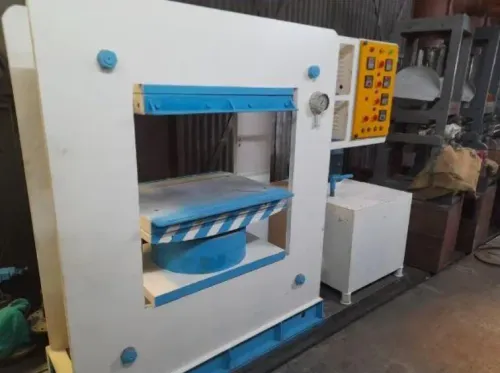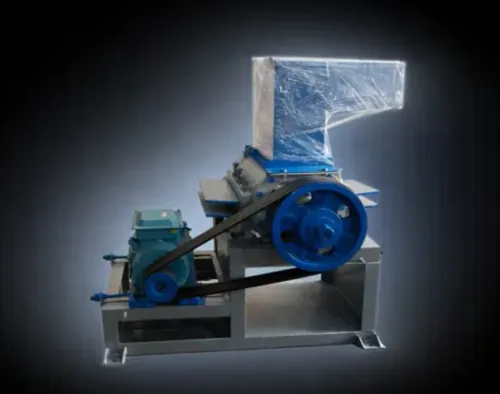
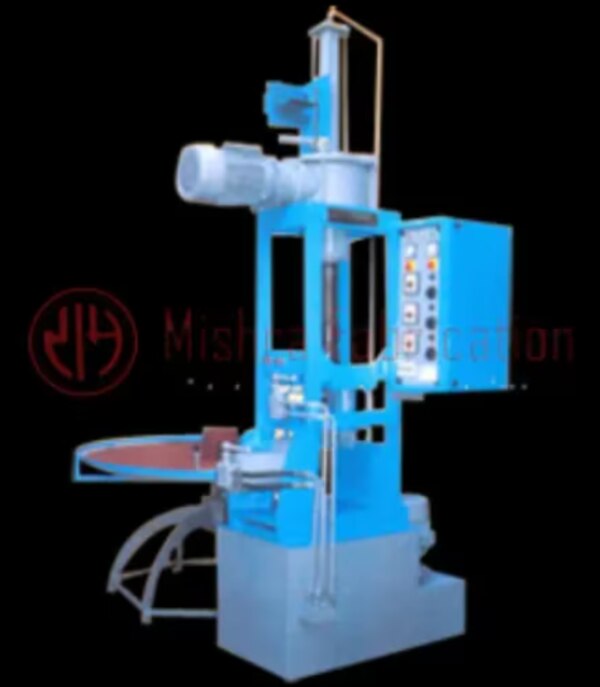
A machine becomes worthwhile only when saleable output, mould utilisation, labour, and demand support the full ownership cost—not merely the advertised pieces-per-hour figure. By comparing the production process, machine fit, mould economics, total investment, and supplier support, you can decide whether to buy, outsource, lease, or begin with a smaller setup.
Key takeaways
- Calculate break-even from saleable pairs, not the machine’s advertised cycle output.
- Match injection capacity, mould format and material handling to your product range.
- Compare mould costs, installation, spare parts and service response before ordering.
- Run production trials and confirm buyer demand before committing to a PVC footwear machine.
What Actually Happens During PVC Chappal Production
PVC compound and pigment are prepared to the specified formulation, then fed into the hopper. The screw plasticises the material, the mould closes, and the injection unit fills each cavity before cooling begins. After opening, the operator removes the chappals, trims flash, checks size, hardness, straps and surface defects, then packs saleable pairs.
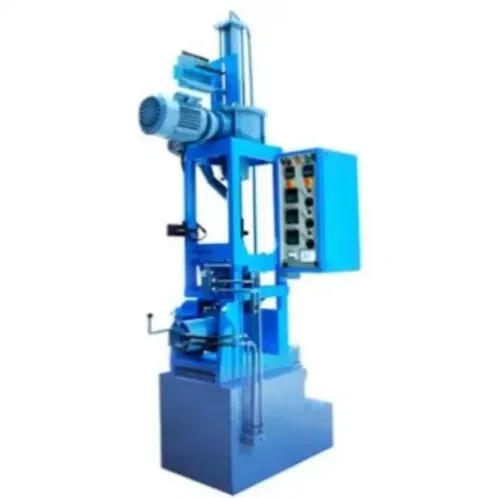
A vertical PVC footwear machine gives direct access to the open mould, but its orientation does not confirm suitability. Check injection volume, clamping force, screw design, mould dimensions and cooling arrangement against your product.
- Pieces per day means individual chappals, not pairs. Confirm the number of cavities, colour changes, working hours, planned stoppages and rejection allowance behind the figure.
- Pairs per hour is useful only when the supplier states cycle time, mould cavities and whether loading, demoulding and trimming are included.
- Pairs per eight-hour shift should include setup, breaks, cleaning, material changes and rejects. Divide tested saleable pairs by the actual shift time.
| Capacity claim | What it may hide | Evidence worth trusting |
|---|---|---|
| Pieces per day | A long schedule and ideal cycle | Recorded saleable output from your mould |
| Pairs per hour | One product, colour and cavity count | Timed cycles across a defined run |
| Eight-hour shift | Nominal output before downtime | Acceptance test with your PVC compound and sizes |
For a PVC chappal machine in Delhi, demand a test recording cycle time, shot weight, flash, short shots and rejection rate. Ask whether the quoted PVC footwear machine is single-colour, multi-colour or rotary; those are different production systems.
Match the Machine to Your Product, Material, and Factory
A proposed machine is worth considering only if it makes your actual designs, using your compound and moulds, within the room available—not merely an attractive sample. A quotation for a PVC slipper manufacturing machine must identify whether it covers a single-colour direct-injection press, multi-colour machine, rotary system, or general-purpose vertical injection machine adapted for footwear.
Confirm these points before ordering:
- The mould fits the platen, clamping force, injection volume, size range, gating layout, logo and upper pattern. Each design and size range can require separate cavity work.
- The machine runs your specified sizes, colours, PVC compound and mould for a defined trial period. Record cycle time, shot weight, flash, short shots, sink or flow marks, hardness, dimensions, strap retention and rejection rate.
- The quoted output states pairs per hour or pairs per eight-hour shift, with mould count, cycle time, changeover time and assumed operating hours. “Pieces per day” is not comparable without those assumptions.
- The room has space for the press, mould loading, cooling, trimming, packing and safe operator movement. Measure door width, ceiling height and electrical capacity before delivery.
- Barrel temperature control, thermocouples, purge instructions and local exhaust ventilation are included. Overheated PVC can release hydrogen chloride and other irritating decomposition products, especially after stoppages or excessive residence time.
- The supplier can provide training, process documentation and spares such as heaters, thermocouples, seals and electrical or hydraulic components.
A machine that passes only a supplier’s material test has not proved production reliability. Acceptance must use your PVC footwear design and your operating conditions.
Calculate Break-Even Using Saleable Pairs, Not Advertised Output
A machine repays its cost only through pairs that pass inspection and sell. Calculate break-even pairs as:
Total investment ÷ contribution per saleable pair
Count the complete investment, not only the press:
- Machine, moulds, dies, freight, installation, and electrical work
- Initial PVC compound, colour or masterbatch, packaging stock, and working capital
- Operator training, commissioning, and any financing charges
Calculate contribution by subtracting the cost of producing and selling one pair from its realised selling price. Include PVC compound, colour, labour, electricity, trimming, packaging, routine maintenance, mould amortisation, rejects, and distributor or customer discounts. A pair sold at the list price is irrelevant if discounts reduce the cash received.
Use saleable output, not the brochure’s shots per hour. The theoretical figure is (usable cavities × 3,600) ÷ cycle time in seconds. Reduce it for mould loading, trimming, colour changes, machine stops, and rejected pairs. If a quotation omits cavity count and cycle time, its capacity claim cannot support a break-even calculation.
For example, a total investment of ₹12 lakh and a contribution of ₹24 per saleable pair requires 50,000 saleable pairs to recover the investment. Then add monthly rent, wages, loan interest, and other fixed overheads to the required sales target.
Treat “PVC chappal machine price in Delhi” as a search starting point, not a benchmark. Compare quotations using the same mould count, output assumptions, included equipment, taxes, and commissioning terms.
Compare Quotations, Moulds, and Supplier Service Before Ordering
A cheap press is not a cheap production system if its moulds, installation, and spare parts are excluded. Treat “PVC chappal machine price in Delhi” as a search label, not a benchmark; compare complete, technically equivalent quotations.
| Quotation item | What to verify | Why it changes cost or risk |
|---|---|---|
| Machine specification | Clamping force, shot volume, screw diameter, colours, stations, motor and heater ratings | Determines whether your product fills correctly |
| Mould package | Sizes, cavities, materials, included designs, replacement cost | A low machine price can hide expensive moulds |
| Ownership costs | Freight, taxes, installation, electrical work, training, warranty and commissioning | Reveals the amount you must actually fund |
| Production proof | Your compound, colours, sizes and mould run for a defined period | Supplier samples may conceal short shots, flash or high rejection |
- Two installed customer references producing comparable PVC footwear, not just general injection work.
- A written service-response time and a spare-parts list covering heaters, thermocouples, seals, hydraulic parts and electrical components.
- Operator training, cleaning instructions, process settings and troubleshooting steps for flash and short shots.
- An acceptance test recording cycle time, shot weight, dimensions, hardness, strap retention, cooling performance and rejection rate.
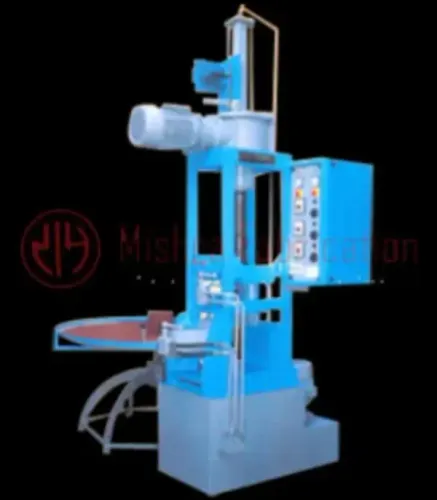
Mishra Fabrication belongs in the comparison only after it supplies these same details, allowing a fair evaluation against other suppliers. Reject any quotation that promises “pairs per hour” without stating mould count, cycle assumptions and saleable output.
Related products
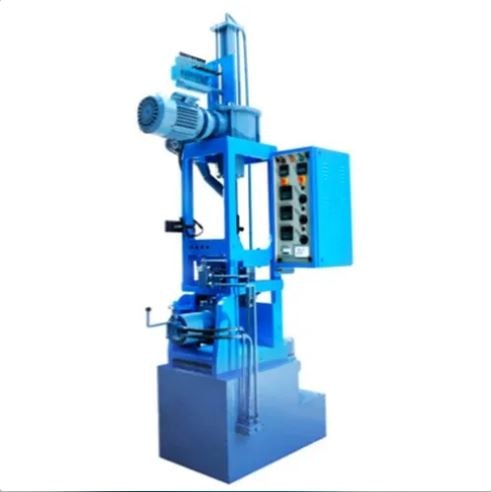 | Sole Making Machine ₹450000 Production Capacity 500 pcs/day Type of Machine Chappal Making Machine Material Mild Steel Machine Structure Verticle Automation Grade Semi Automatic... View product → |
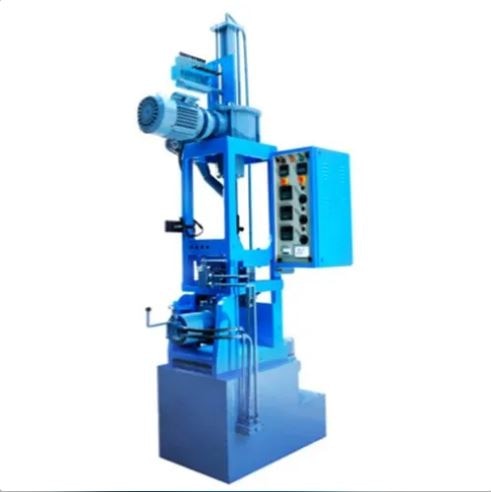 | Footwear Machinery ₹450000 Capacity(Pairs/Hour) 1000 Brand RAM Production Capacity 700 pairs/8 hr Power Consumption 21 kw Country of Origin Made in India Power Source Electric... View product → |
Use Testing and Demand Evidence to Make the Final Decision
Do not place an order until a trial run proves that your actual PVC compound and mould produce saleable pairs. Record cycle time, pairs per shift, flash, short shots, colour variation, demoulding damage, trimming time, and rejected pairs. A supplier’s sample made with a different compound or mould proves little.
Buy a pvc footwear machine when you have repeat orders or a documented forecast that absorbs the machine’s saleable output, and your break-even calculation includes moulds, installation, power, labour, rejects, maintenance, and working capital. Keep a written record of customer enquiries, purchase orders, seasonal demand, and the contribution per pair.
A machine that sits idle still consumes finance and floor space.
Use the lower-risk route when evidence is incomplete:
- Outsource production when demand is unproven, designs change frequently, or a contract manufacturer can supply below your fully loaded cost.
- Lease or rent when orders are confirmed but cash is tight; compare the total lease payment, maintenance responsibility, buyout clause, and downtime terms.
- Buy used equipment when you can inspect injection pressure, clamping movement, heater bands, thermocouples, hydraulic leaks, screw wear, controls, and a live trial using your mould.
- Choose a smaller pvc slipper manufacturing machine when forecast demand is modest and one shift covers orders; confirm that its injection volume, mould area, and clamping force fit your largest product.
Do not treat a “PVC, EVA, all-footwear” claim as evidence. Test the intended PVC grade and mould before signing, then buy only when measured saleable output—not catalogue capacity—supports repayment.
Frequently asked questions
What happens during PVC chappal production?
PVC compound and pigment are prepared, plasticised by the screw, injected into mould cavities, cooled, removed, trimmed, inspected and packed.
How do you match a PVC chappal machine to your factory?
Check the product sizes, PVC formulation, cavity count, injection capacity, electrical supply, floor space, cooling needs and operator requirements against the machine specification.
How should you calculate whether a PVC chappal machine will pay for itself?
Use expected saleable pairs per shift, selling price, material and labour costs, power, rejects, maintenance, mould cost and finance expenses to calculate contribution and break-even volume.
What should you compare in PVC chappal machine quotations?
Compare the machine configuration, moulds, installation, commissioning, warranty, spare-parts availability, service response, exclusions and delivery terms rather than comparing headline price alone.
How can you test demand before buying a PVC footwear machine?
Obtain buyer samples or trial orders, test the required sizes and designs, run production trials and confirm quality acceptance before placing the equipment order.
Related products
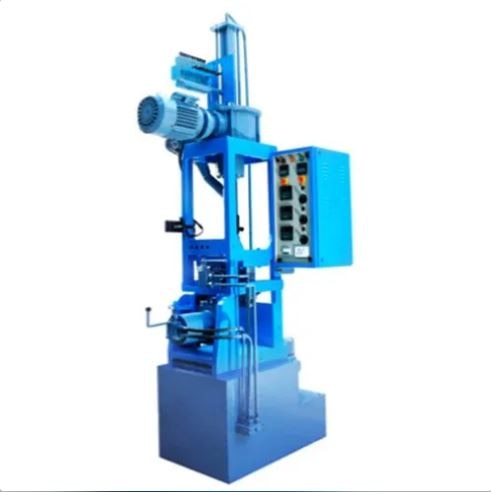 | Footwear Making Machine Footwear & Slipper Making Machine For Pvc ₹450000 Production Capacity 5000 pcs/day Model Name/Number Gumboot Weight 1.8 Ton approx. View product → |
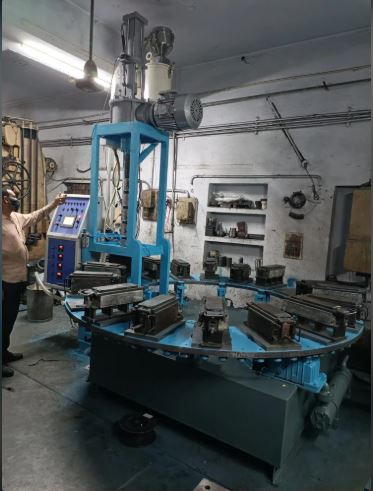 | Injection Molding Machine Automatic Rotary Vertical Injection Moulding machine for all type pvc footwear ₹1850000 Machine Type Vertical Injection Moulding Machine Material PVC Automation Grade Automatic Brand RAM Country of Origin Made in India Application For... View product → |
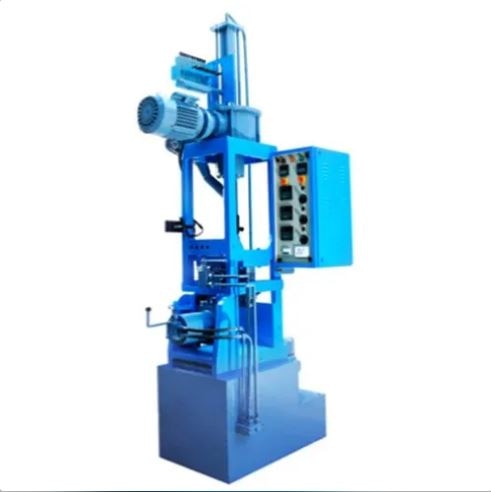 | Footwear Making Machine ₹450000 Brand RAM Power Consumption 21- 22 KW Production Capacity 600 to 800 Per 8 Hours Weight 1.8 Ton approx. View product → |
Keywords