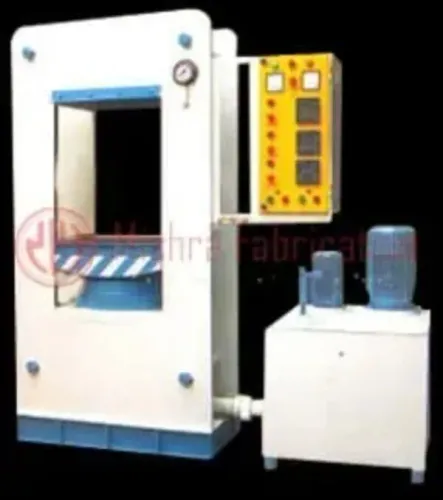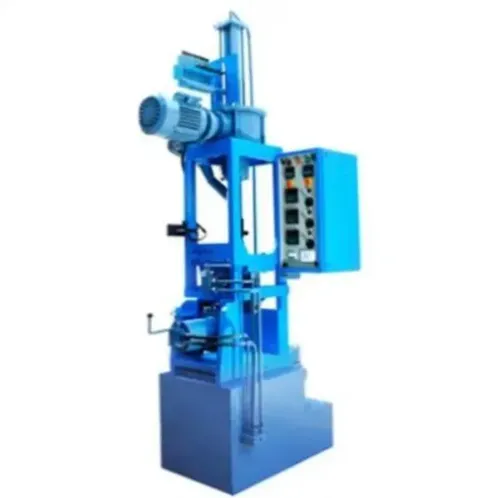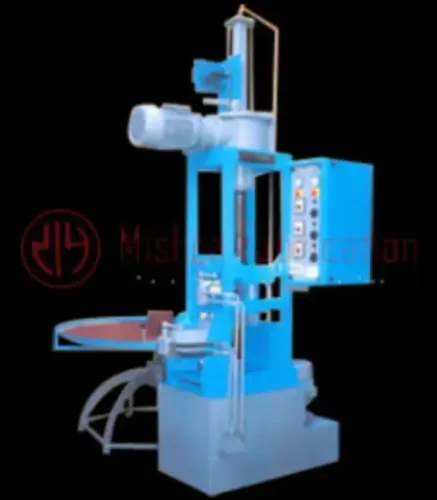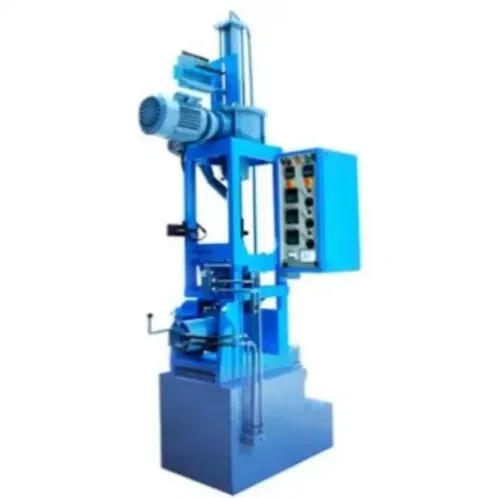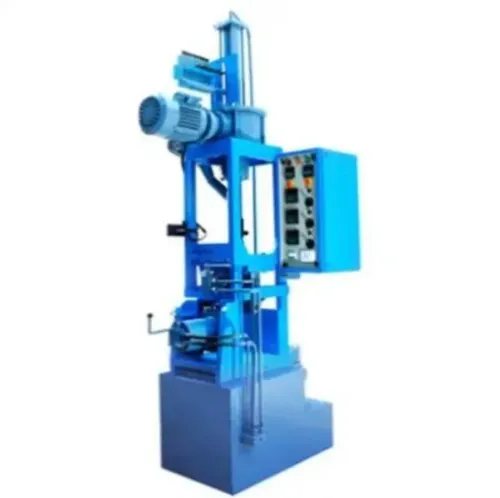
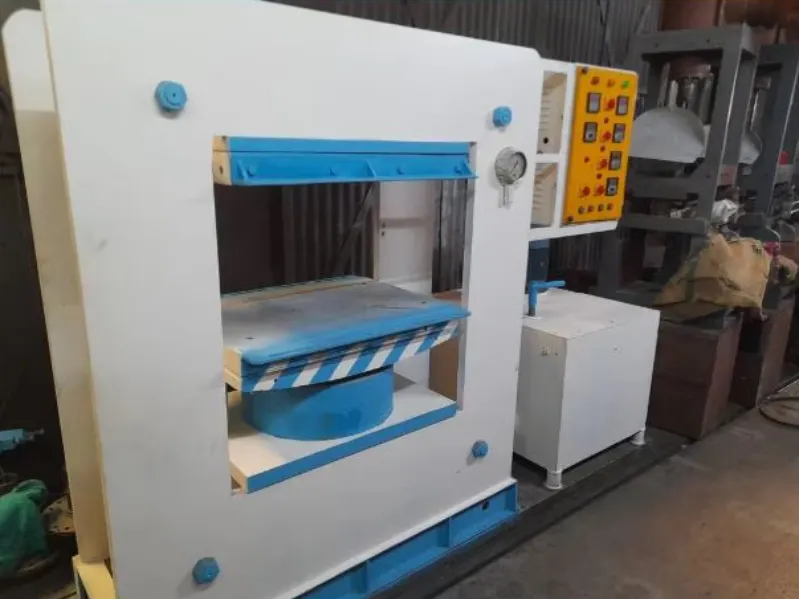
EVA is widely used for slippers, sandals, midsoles and cushioning components because it can produce lightweight, flexible products. At the same time, EVA forming requires careful control because temperature, pressure, formulation and mould design can affect density, shrinkage and finish.
Buyers evaluating an EVA Forming Machine Manufacturer in Delhi NCR should begin with the product specification rather than selecting machinery solely by station count or advertised output.
Define the Required EVA Product
The term “EVA product” covers components with different densities, thicknesses and performance expectations. Provide the manufacturer with a physical sample, drawing or target specification.
Important details include:
- Finished dimensions
- Product weight
- Required hardness
- Target density
- Colour requirements
- Surface texture
- Expected flexibility
- Size range
- Production quantity per shift
These details influence the machine, mould and processing method.
Understand Shrinkage Behaviour
EVA components may shrink after forming, and the amount can vary with formulation and process conditions. Mould dimensions must account for expected shrinkage so the finished product reaches the required size.
A trial should measure parts immediately after removal and again after an agreed stabilisation period. Evaluating only a freshly formed sample may lead to incorrect conclusions.
Factories should also test multiple material batches because formulation variation can influence the result.
Evaluate Heating Uniformity
Uneven mould temperature may cause differences in expansion, density and surface quality. Ask how the machine monitors and controls temperature across its working area.
Important considerations include:
- Number of heating zones
- Sensor placement
- Temperature-control accuracy
- Heat-up time
- Insulation
- Energy loss
- Access for heater replacement
Stable temperature control often contributes more to consistent products than rapid heating alone.
Pressure and Timing Control
Pressure must be applied consistently throughout the forming cycle. The machine should allow suitable adjustment of closing, holding and release stages.
A controllable process helps production teams develop recipes for different styles. If the factory handles several product thicknesses, ask whether settings can be stored and retrieved without lengthy manual setup.
Mould Handling and Changeovers
Footwear units frequently change sizes, colours and designs. Mould-changing time can therefore have a substantial effect on daily output.
Inspect how moulds are loaded, aligned, connected and removed. The design should reduce unnecessary manual handling while allowing maintenance access.
For heavier moulds, lifting arrangements or handling aids may be necessary to protect workers and avoid accidental mould damage.
Compare Productivity Realistically
Output should be calculated using the complete cycle, including loading, heating, forming, cooling, unloading and product stabilisation. Ask for assumptions behind any quoted production figure.
Measure acceptable pairs per shift and consider:
- Number of stations
- Cycle duration
- Operator requirement
- Changeover frequency
- Rejection percentage
- Power consumption
- Mould availability
- Maintenance time
This provides a better comparison than theoretical cycles per hour.
Check Factory Readiness
Industrial units across Delhi NCR differ in electrical infrastructure, floor loading and ventilation. Confirm the machine’s connected load, dimensions, service clearance and utility requirements before delivery.
The installation plan should identify foundation needs, electrical cabling and safe material movement. Mishra Fabrication can evaluate these factors alongside product samples when discussing an EVA forming requirement.
Request Trial Documentation
A useful trial report should record the material formulation, machine settings, mould used, cycle time and measured product results. Retaining these details helps the factory reproduce the process during commissioning.
Training should cover temperature control, pressure setting, changeovers, daily inspection and common defects.
An EVA forming machine should be selected as part of a controlled material-and-moulding process. Buyers who verify heating uniformity, shrinkage behaviour and real shift output are better positioned to produce lightweight footwear consistently while controlling waste and operating cost.
Keywords