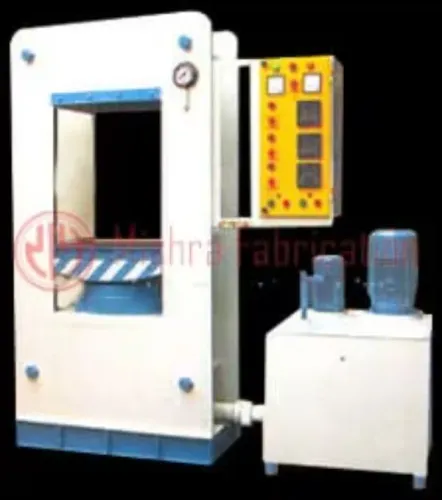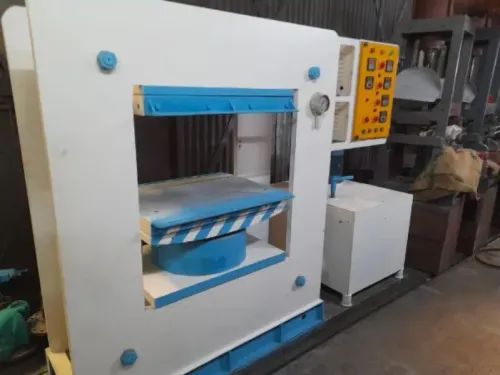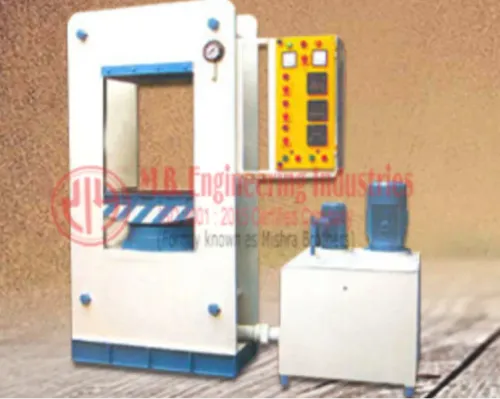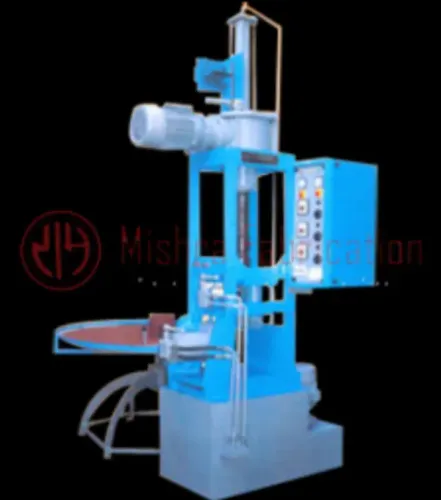

For footwear manufacturers, investing in the right Footwear Machinery in Delhi NCR is about much more than increasing production capacity. The machinery used in a factory influences product quality, operational efficiency, labour requirements, production costs, and the ability to meet changing market demands. Whether you manufacture sandals, sports shoes, safety footwear, or school shoes, selecting suitable equipment can have a lasting impact on business performance.
Delhi NCR has become one of India's important industrial regions, offering manufacturers access to advanced machinery, engineering expertise, and a well-established supply chain. However, with a wide variety of equipment available, understanding what your production line actually needs is essential before making an investment.
Understanding the Role of Footwear Machinery
Footwear manufacturing involves multiple stages, and each requires specialised equipment. Modern production lines are designed to improve consistency while reducing manual effort and production time.
Depending on the type of footwear being produced, manufacturers may require:
- Injection moulding machines
- Sole making machines
- EVA forming machines
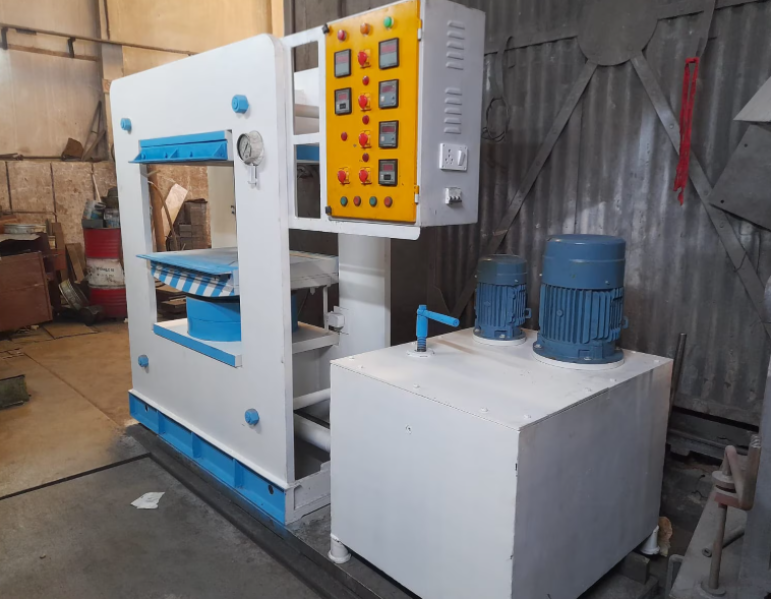
- Sole pressing machines
- Rotary platform machines
- Cutting and finishing equipment
- Material handling systems
Each machine contributes to a specific stage of production, making it important to select equipment that works efficiently as part of an integrated manufacturing process.
Factors That Influence Machinery Selection
Not every factory requires the same type of machinery. Before investing, manufacturers should evaluate several operational factors.
Production Volume
Estimate current production requirements and future expansion plans. Machinery should support present manufacturing needs while allowing room for increased output as the business grows.
Type of Footwear
The machinery required for EVA slippers differs from that used for PVC safety shoes or sports footwear. Equipment should match the materials and designs your factory intends to manufacture.
Available Factory Space
Machine dimensions, workflow layout, and operator movement all influence production efficiency. A well-planned factory layout reduces material handling and improves overall productivity.
Ease of Operation
Machines with user-friendly control systems help operators learn faster and reduce the chances of production errors.
Maintenance Requirements
Routine servicing keeps production running smoothly. Selecting machinery with readily available spare parts and accessible maintenance support helps minimise unexpected downtime.
Advantages of Modern Footwear Machinery
Technological improvements have significantly changed footwear manufacturing in recent years. Modern machinery offers benefits that extend beyond faster production.
Consistent Product Quality
Automated controls help maintain uniform temperature, pressure, and processing conditions, resulting in consistent footwear components.
Higher Productivity
Efficient production cycles enable manufacturers to complete larger orders without compromising quality.
Better Material Utilisation
Accurate processing reduces excess material usage, helping manufacturers improve cost efficiency.
Lower Manual Dependency
Automation allows operators to focus on monitoring production rather than performing repetitive manual tasks.
Flexible Manufacturing
Modern equipment often supports multiple moulds, product sizes, and material types, allowing manufacturers to respond quickly to changing customer requirements.
Common Challenges Manufacturers Face
Many factories experience production issues that are not always caused by labour or raw materials. Machinery can also influence manufacturing performance.
Some common challenges include:
- Inconsistent product dimensions
- Frequent machine stoppages
- Excessive material wastage
- Slow production cycles
- High maintenance expenses
- Difficulty adapting to new product designs
Choosing equipment that aligns with production goals can help reduce these operational challenges.
Why Delhi NCR Is a Strong Location for Footwear Manufacturing
Delhi NCR continues to attract footwear manufacturers due to its industrial infrastructure and business ecosystem. Manufacturers operating in the region benefit from:
- Access to experienced machinery manufacturers
- Well-developed logistics and transportation
- Availability of industrial suppliers
- Skilled technical workforce
- Easier access to machine servicing and spare parts
These advantages help businesses maintain efficient production while supporting future expansion.
Questions to Ask Before Purchasing Machinery
Before finalising any machinery investment, manufacturers should discuss the following with equipment providers:
- Which materials is the machine designed to process?
- What production capacity can it achieve?
- What maintenance schedule is recommended?
- Are spare parts readily available?
- Does the supplier provide installation and operator training?
- Can the machine accommodate future product variations?
These questions provide a clearer understanding of the machine's long-term suitability.
Evaluating a Machinery Manufacturer
Beyond technical specifications, selecting a knowledgeable machinery manufacturer is equally important. A dependable provider should offer guidance on machine selection, installation, technical support, and maintenance throughout the equipment's operational life.
Among the companies serving footwear manufacturers, Mishra Fabrication develops machinery designed for different stages of footwear production. Businesses exploring manufacturing solutions often review the product information available on mishrafabrication.com to better understand machine configurations and production capabilities before making purchasing decisions.
Final Thoughts
Choosing the right Footwear Machinery in Delhi NCR requires careful planning and a clear understanding of production objectives. Rather than focusing only on the initial investment, manufacturers should consider productivity, energy efficiency, maintenance requirements, scalability, and after-sales support.
A well-planned machinery investment supports consistent product quality, improves operational efficiency, and helps footwear manufacturers remain competitive in an evolving industry. By evaluating equipment thoroughly and selecting solutions that align with business goals, manufacturers can build production systems that are reliable, adaptable, and prepared for future growth.