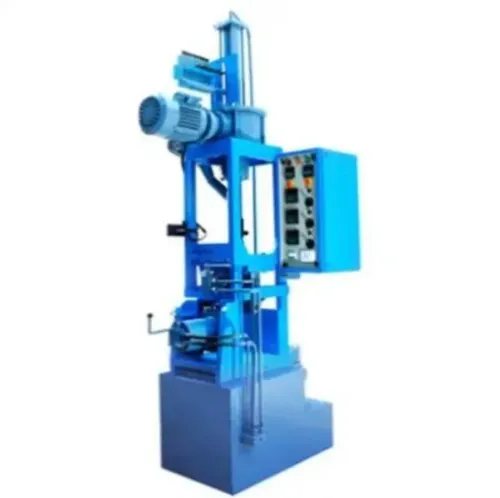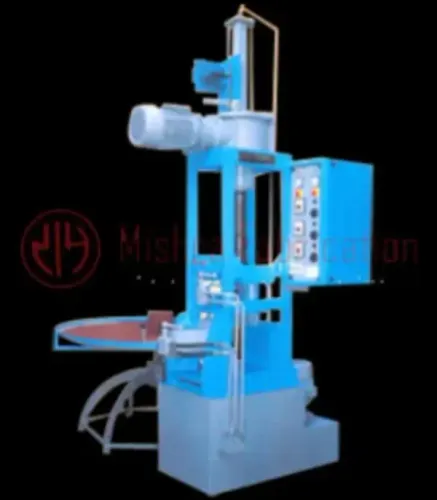
A machinery dealer can influence more than the initial purchase. Correct equipment selection, transparent specifications, installation coordination and spare-parts support all affect how quickly a footwear factory can begin stable production.
When assessing a Footwear Machinery Dealer in Delhi NCR, procurement teams should verify both commercial credibility and technical capability.
Confirm the Dealer’s Role
Some dealers only arrange the sale, while others provide application guidance, installation and service. Ask whether the dealer is an authorised representative, independent reseller or manufacturer-supplier.
The answer affects warranty handling, component availability and responsibility when technical problems arise.
Request written clarification on:
- Equipment manufacturer
- Country or location of manufacture
- Model identification
- Installation responsibility
- Warranty provider
- Service contact
- Spare-parts source
- Technical documentation
These details reduce confusion after delivery.
Look for Application Knowledge
A footwear machinery dealer should understand how material, mould and product design affect machine selection. The representative should ask meaningful questions about production instead of immediately recommending the largest available model.
Provide product samples and discuss expected output, raw materials, size range and existing processes. Clear technical questioning is a positive indicator of selection readiness.
Inspect the Machine Before Purchase
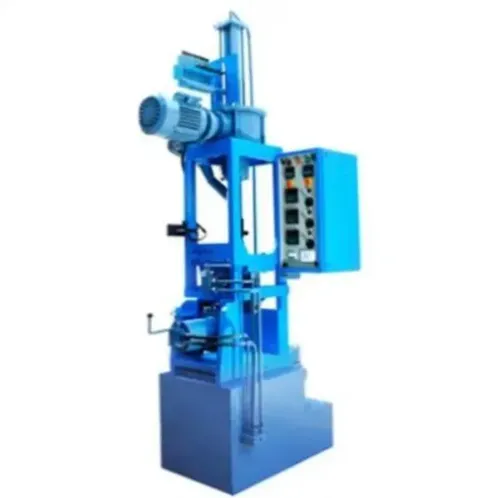
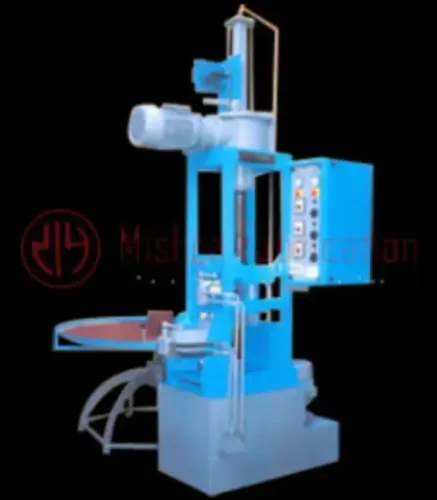
Whenever practical, inspect the proposed machine or an equivalent model. Look beyond paint and external appearance.
Examine:
- Frame construction
- Platen and platform alignment
- Hydraulic connections
- Electrical panel organisation
- Guarding and interlocks
- Control accessibility
- Lubrication points
- Maintenance clearance
If the machine has been refurbished, request a clear list of replaced and retained components.
Verify Performance Claims
Claims about output should include the material, mould, product size, number of cavities and cycle conditions used in the calculation.
Ask for a demonstration or trial. A trial should run long enough to assess temperature stability and cycle consistency. Record acceptable output rather than counting all produced components.
Compare Quotations on Equal Terms
A low quotation may exclude accessories, freight, installation, commissioning or taxes. Prepare a comparison table containing:
- Machine configuration
- Included tooling
- Control features
- Component brands
- Connected load
- Delivery charges
- Installation
- Training
- Warranty
- Service terms
This prevents an incomplete offer from appearing more economical than a complete one.
Check Service Coverage
Delhi NCR covers multiple industrial zones across Delhi, Haryana and Uttar Pradesh. Confirm whether the dealer has technicians who can reach the factory and whether remote support is available for initial fault diagnosis.
Ask how commonly required parts are stocked and whether electrical, hydraulic and control-system support comes from one team or separate vendors.
Speak With Relevant Customers
References are most useful when the customer operates a comparable machine for a similar application. Ask about commissioning time, recurring faults, parts availability and service response.
A general statement that the equipment is “good” provides less value than specific operating feedback.
Review Documentation
The machine should be supplied with operating instructions, electrical information, preventive-maintenance guidance and a parts list. Documentation helps the factory train future operators and maintain the equipment consistently.
Mishra Fabrication can be evaluated both as a machinery provider and on the practical support expected from a dealer serving footwear units. Buyers should verify the offered scope for their exact machine and location before ordering.
Recognise Readiness Indicators
A reliable provider usually demonstrates readiness through clear specifications, realistic delivery commitments and willingness to conduct technical discussions. Warning signs include vague machine origins, undocumented performance claims, unclear warranty responsibility and pressure to order without a product assessment.
The right dealer should reduce uncertainty during selection and commissioning. Careful verification helps footwear manufacturers avoid unsuitable machinery, hidden costs and delays that can affect customer orders.
Keywords