The right purchase depends on your footwear construction method, order pattern, available space, labour model and saleable output—not the machine’s headline capacity. You will be able to test those factors, convert quoted figures into realistic production, and decide whether a complete line or one specialised operation fits your factory.
Key takeaways
- Automate a bottleneck when linked operations cannot keep a complete line supplied.
- Match the machine to injection moulding, cemented, stitched or direct-sole construction.
- Convert quoted capacity into saleable pairs after changeovers, rejects and downtime.
- Check guarding, emergency stops, electrical safety and supplier support before buying.
Start With the Product and the Operation You Need to Automate
A complete shoe manufacturing machine for factory production is justified only when you can keep several linked operations supplied; otherwise, automate the bottleneck. Ask, “is a shoe making machine right for my factory?” by mapping the product, order volume, available floor area, labour, and growth plan before comparing quotations.
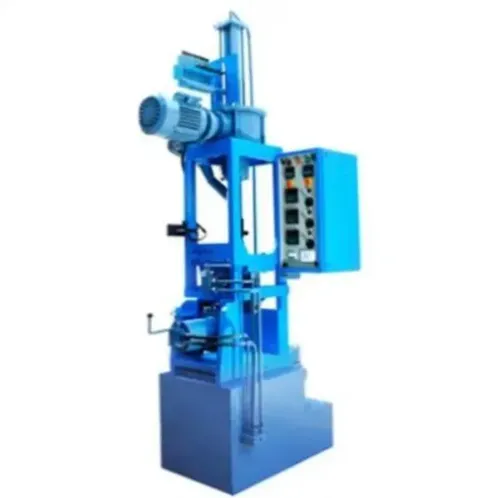
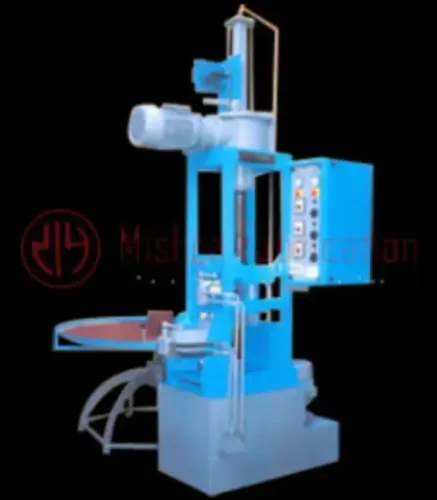
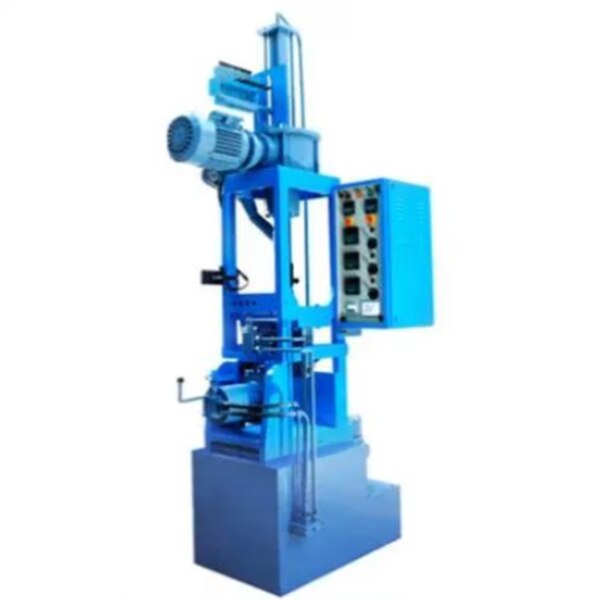
- Define the product: direct-injected PVC or EVA footwear, cemented shoes, stitched footwear, safety shoes, or assembled shoes. A vertical injection machine suits direct sole injection; it does not replace upper preparation, stitching, lasting, finishing, or packing.
- Name the operation causing delays, rejects, or labour cost. If sole moulding is the constraint, buy equipment for that operation rather than a complete line. If orders require coordinated upper preparation, lasting, injection, cooling, trimming, inspection, and packing, assess a connected production cell.
- Check production fit: sole material, shot weight, cavities, mould dimensions, injection pressure, clamping force, cycle time, and colour-change frequency. Maximum tonnage or advertised pairs per hour alone cannot prove suitability.
- Count styles, sizes, and colourways. Frequent mould changes and short runs can erase the benefit of high capacity; a small factory with steady orders may gain more from a focused machine and fewer moulds.
- Confirm floor space, power, material handling, trained operators, maintenance cover, and safe setup access. Plan for growth, but do not pay for capacity your labour or orders cannot use.
For direct injection onto a prepared upper, verify that the upper, last, mould, temperature, pressure, and adhesion process work together. Include guarding and risk controls for mould closing, hot surfaces, stored hydraulic or pneumatic energy, and unexpected start-up under ISO 12100 and ISO 20430.
Match the Machine to Your Footwear Construction Method
A sole-injection machine belongs in the moulding stage, not at the start or end of the footwear line. Choose it only when your product uses direct injection, moulded soles, or injection onto a prepared upper; it will not replace stitching, lasting, cementing, trimming, or finishing equipment.
| Construction method | Suitable machine or process | Position in the line |
|---|---|---|
| Direct-injected footwear | Vertical PVC, EVA, TPU, or rubber injection machine | Upper and last setup, injection, cooling, demoulding, trimming |
| Moulded PVC or EVA footwear | Material-specific injection or compression moulding equipment | Material preparation, moulding, cooling, finishing |
| Cemented shoes | Upper preparation, sole moulding, roughing, adhesive application, pressing | Sole and upper bonding after separate production |
| Stitched footwear | Sewing, skiving, lasting, sole attachment, pressing | Upper assembly and finishing; injection alone is insufficient |
| Assembled footwear | Separate sole, upper, lasting, bonding, stitching, and finishing machines | Multiple operations across the complete line |
PVC, EVA, TPU, and rubber require different melt-temperature ranges, viscosities, drying or preconditioning, screw and barrel configurations, and mould-venting designs. A machine suited to PVC is not automatically suited to EVA or TPU.
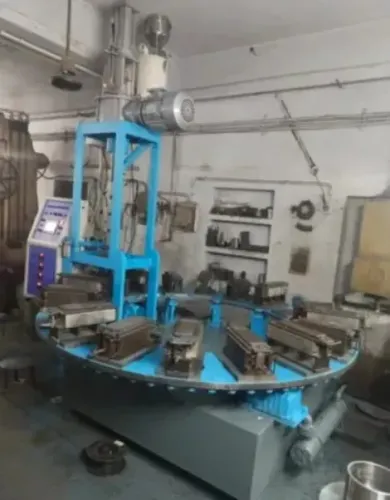
Direct injection onto an upper also requires an upper that tolerates heat and pressure, plus a last and mould that hold alignment accurately; otherwise adhesion, shape, or surface quality fails. After production, plan for cooling, demoulding, trimming, inspection, and packing. A rotary machine improves flow only when operators, moulds, and material keep every station supplied.
Turn Advertised Capacity Into Saleable Pairs
A machine rated at 1,000 shoes per day does not necessarily produce 1,000 saleable pairs. First establish what the supplier counts: one shoe, one sole, one moulded piece, or one completed pair.
Use this calculation:
- Saleable pairs = scheduled production hours × realistic good pairs per hour
- Realistic good pairs per hour = nominal pairs per hour × running availability × first-pass quality rate
- Running availability = time available after mould changes, start-up, colour changes, planned maintenance, material shortages and operator delays
For example, an advertised rate of 60 pairs per hour over an eight-hour shift suggests 480 pairs. If the line runs for 6.5 hours after 90 minutes of changes and stops, and 95% pass inspection, the result is 370 good pairs, not 480.
Do not divide “pieces per day” by two until you confirm that each piece is a left or right shoe and that matching pairs can be assembled. A machine producing 1,000 soles creates 500 potential pairs only when the left-right mix matches, rejects are excluded and the rest of the shoe line can keep pace.
If the supplier quotes shoes per day, request the cycle time, number of cavities, mould layout, shift length and stated reject allowance behind the figure. For a rotary machine, calculate each station’s loading, injection, cooling and unloading capacity; one idle station can reduce the whole line’s output.
Base your investment decision on good pairs per hour during your actual style and colour-change schedule.
Measure the Benefits Against Moulds, Labour and Changeovers
Approve the shoe machine investment when its extra good-pair contribution covers the machine, moulds, installation, financing and operating costs within your required payback period. A busy machine is not enough; profitable saleable output is the test.
Calculate monthly benefit from good pairs, not the advertised cycle rate. Subtract mould changes, colour changes, start-up waste, planned maintenance, rejects, material shortages, operator delays and downtime before comparing the result with monthly ownership cost.
Count these costs before deciding:
- Moulds for each style, size range and colourway, including new moulds required for future orders.
- Labour released by automation, minus the cost of operators needed for loading, inspection, trimming and maintenance.
- Lost capacity during changeovers, especially when orders are short or the factory switches materials and colours frequently.
Long runs of a few styles favour automation because each mould produces more pairs and changeover losses are spread across the order. A factory serving many small orders can lose the shoe making machine benefits through idle stations, repeated mould changes and excess mould inventory.
Direct injection adds value when it removes a separate sole-bonding operation, but only if the upper tolerates the injection temperature and pressure and the mould and last hold it accurately. If your products need stitching, lasting or cementing after sole production, treat the machine as one operation, not a complete factory replacement.
Include growth in the decision. A machine that reaches break-even only at today’s peak volume is a risk; one that absorbs confirmed orders, reduces labour bottlenecks and supports planned styles earns its place.
Use a Technical and Safety Checklist Before You Buy
Do not approve a machine from a shoe making machine supplier in India until it passes a documented technical and safety review. Test it with your material, intended mould and actual product dimensions; a catalogue demonstration with a different compound proves little.
1. Confirm the sole material, shot weight, injection pressure, clamping force, cycle time, cavity count and mould dimensions. Ask for the permitted mould range and verify that your existing moulds fit without modification.
2. Request a trial run that records good pairs per hour. Deduct mould changes, start-up, colour changes, planned maintenance, rejects, material shortages, operator delays and downtime from the nominal figure.
3. Check whether the machine suits direct PVC or EVA injection, rather than assuming it replaces lasting, stitching, roughing, cementing, trimming or finishing equipment. For rotary machines, confirm who loads, injects, cools and unloads each station, and what happens when one station stops.
4. Obtain electrical load, phase, voltage, foundation, ventilation, compressed-air and floor-space requirements in writing. Ask for installation drawings and a commissioning checklist.
5. Inspect guards around the mould-closing area, injection unit, hot surfaces and rotating parts. Require emergency stops, interlocks and controls that prevent unexpected start-up during setup or cleaning.
6. Ask for the documented risk assessment and operating instructions aligned with ISO 12100 and ISO 20430, plus maintenance schedules, spare-parts availability, operator training and warranty exclusions.
If Mishra Fabrication is on your shortlist, request these machine-specific records rather than relying on a stated capacity. Approve the purchase only after the supplier signs the trial results and handover requirements.
Related products
 | Footwear Machinery ₹450000 Capacity(Shoes/Day) 1000 Brand RAM Production Capacity 700 pairs/8 hr Power Consumption 21 kw Country of Origin Made in India Power Source Electric... View product → |
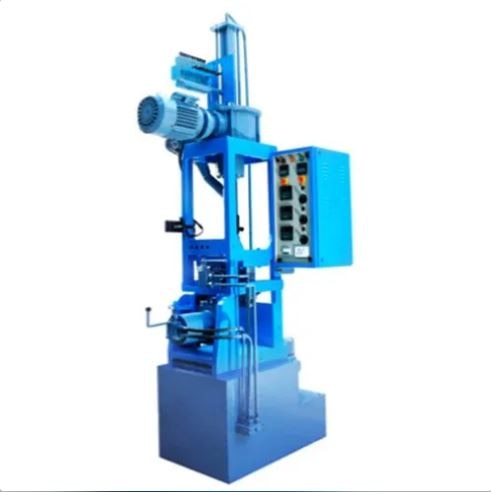 | Footwear Making Machine Footwear & Slipper Making Machine For Pvc ₹450000 Production Capacity 5000 pcs/day Model Name/Number Gumboot Weight 1.8 Ton approx. View product → |
Frequently asked questions
When is a shoe making machine right for my factory?
It fits when your product, order volume, floor space, labour plan and linked operations can keep the machine productive.
How should I compare a shoe manufacturing machine for factory use?
Compare construction method, mould compatibility, actual saleable pairs, changeover time, utilities, safety features and service support.
What are the main shoe making machine benefits?
The benefits include more consistent production, reduced manual bottleneck work and repeatable output when moulds, materials and downstream operations are ready.
How can I evaluate a shoe machine investment?
Measure the machine cost against moulds, labour, installation, maintenance, rejects, changeovers and the additional saleable pairs it produces.
Related products
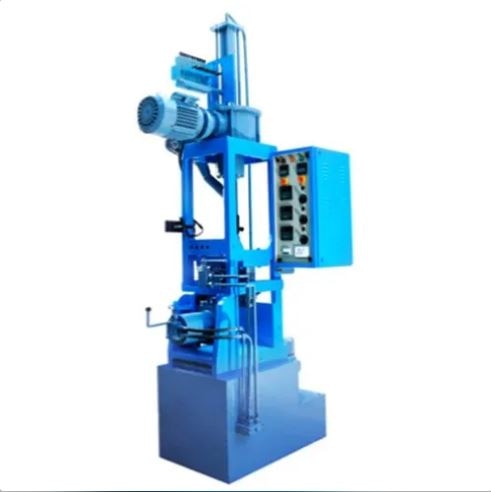 | Footwear Making Machine ₹450000 Brand RAM Power Consumption 21- 22 KW Production Capacity 600 to 800 Per 8 Hours Weight 1.8 Ton approx. View product → |
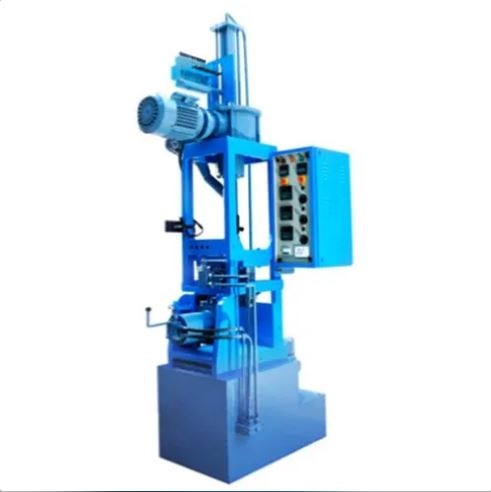 | Sole Making Machine ₹499999 Capacity(Shoes/Day) 800 Country of Origin Made in India Established in the year 1970, at Delhi, India, we, “Mishra Fabrication” are one of the... View product → |
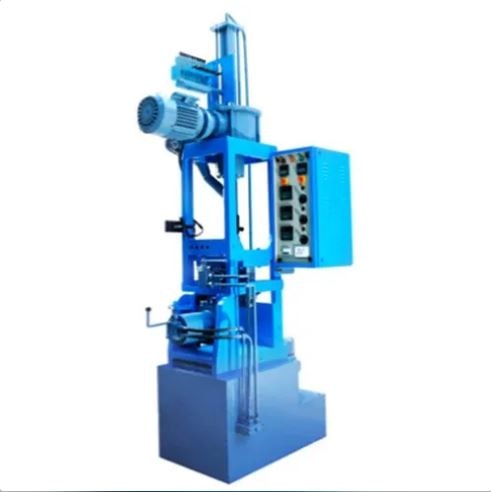 | Injection Moulding Machine sport shoe Injection Moulding Machine ₹449999 Capacity 700 pairs/ 8 hr Operation Mode Semi Automatic Brand RAM Clamping Way Hydraulic Frequency 50 Hz Voltage 220-415 V Country of Origin Made in... View product → |
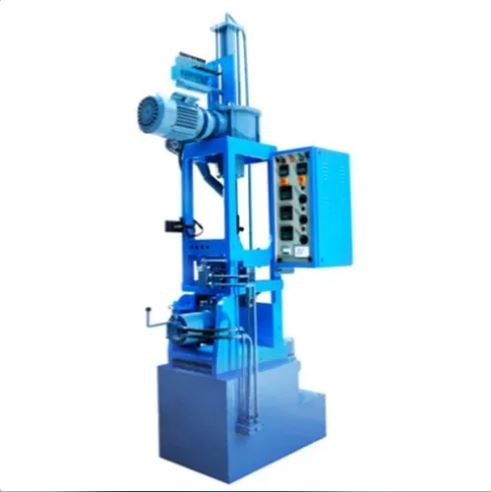 | Vertical Injection Moulding Machine ₹450000 Capacity(Shoes/Day) 600 Production Capacity 1000 pc Country of Origin Made in India Brand Ram Company Mishra Fabrication This shoemaking process... View product → |
Keywords