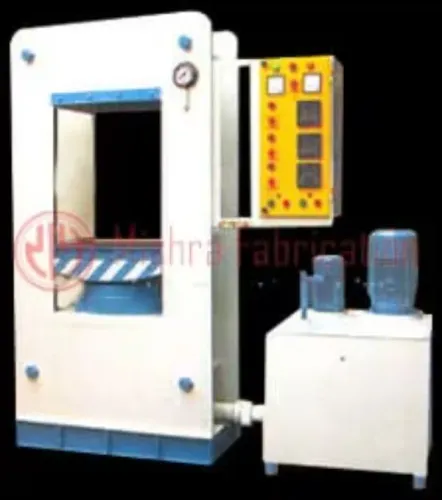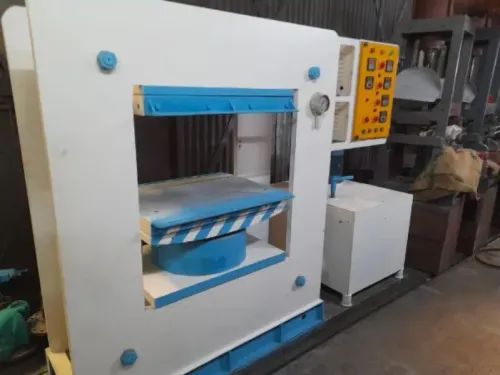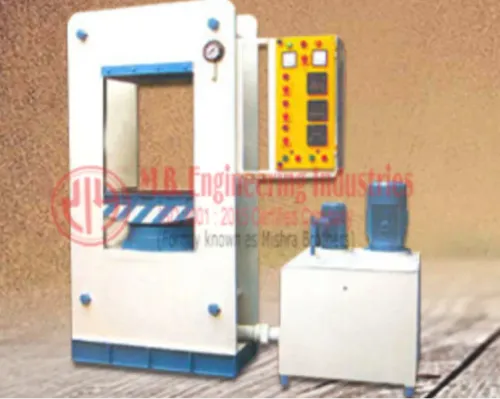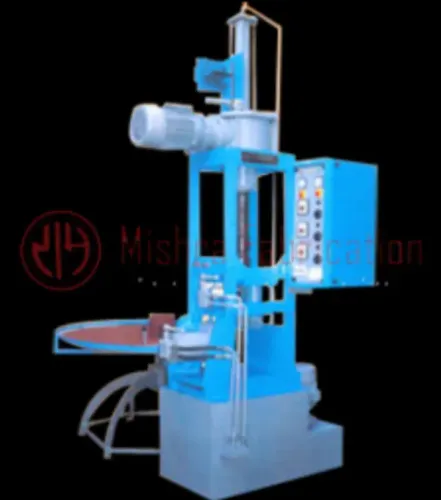

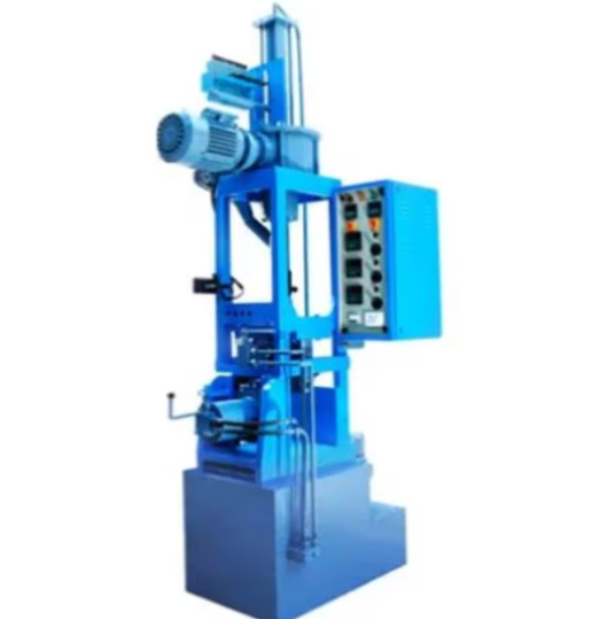
As footwear production becomes more competitive, manufacturers are constantly looking for ways to improve productivity without compromising product quality. A Rotary Platform Machine in Delhi NCR is one solution that helps streamline production by combining efficient workflow with consistent manufacturing performance. While not every production unit requires this type of equipment, it can offer significant advantages for businesses aiming to increase output and reduce manual handling.
Understanding where a rotary platform machine fits into the manufacturing process can help factory owners, production managers, and procurement teams decide whether it is the right investment for their operations.
What Is a Rotary Platform Machine?
A rotary platform machine is designed with a rotating worktable that allows multiple moulding or production stations to operate in sequence. As one station completes a manufacturing cycle, another moves into position, creating a continuous workflow.
This design helps reduce idle time between production stages and supports smoother factory operations.
These machines are commonly used in the production of:
- EVA footwear
- PVC sandals
- Shoe soles
- Safety footwear
- Sports footwear
- Casual footwear
Because several workstations operate simultaneously, production becomes more organised and efficient.
How Does a Rotary Platform Machine Improve Production?
Traditional manufacturing methods often involve stopping production while moulds are changed or products are removed. Rotary platform machines reduce these interruptions by allowing different stages of the process to occur at separate stations.
Some operational improvements include:
- Continuous production cycles
- Reduced waiting time between operations
- Better utilisation of machine capacity
- More organised production flow
- Improved consistency across batches
These advantages become particularly valuable for manufacturers handling medium to high production volumes.
Benefits for Footwear Manufacturers
Higher Productivity
The rotating platform allows multiple moulds to be processed in sequence, helping factories produce more units within the same working hours.
Consistent Product Quality
Controlled processing conditions help maintain uniform dimensions, surface finish, and material distribution throughout production.
Better Workforce Utilisation
Operators can focus on loading, unloading, and monitoring individual stations without interrupting the overall manufacturing cycle.
Reduced Downtime
Since different production stages occur simultaneously, the machine spends less time waiting between operations.
Flexible Production
Many rotary platform machines support different mould sizes and footwear designs, making them suitable for manufacturers offering a wide product range.
When Is a Rotary Platform Machine the Right Choice?
Not every footwear factory requires this type of machinery. It is often most beneficial for businesses that:
- Manufacture large production volumes
- Produce multiple footwear styles
- Require consistent quality across batches
- Want to improve production efficiency
- Plan to expand manufacturing capacity
Smaller factories with limited production requirements may choose simpler machinery before upgrading to rotary systems as demand grows.
Key Features to Compare Before Buying
When evaluating rotary platform machines, manufacturers should compare more than production speed.
Important considerations include:
Platform Size
The machine should accommodate the moulds used in your existing production process while allowing flexibility for future product designs.
Number of Workstations
Machines with multiple stations can increase production efficiency, but the right configuration depends on manufacturing volume.
Automation Features
Digital controls, programmable production settings, and automatic monitoring systems improve consistency and simplify operation.
Material Compatibility
Confirm that the machine supports the materials commonly used in your factory, including EVA, PVC, TPR, TPU, or rubber compounds.
Maintenance Requirements
Machines designed for easy servicing help minimise production interruptions and reduce maintenance costs over time.
Why Delhi NCR Is a Strong Manufacturing Base
Delhi NCR continues to attract footwear manufacturers because of its industrial ecosystem and engineering capabilities.
Businesses operating in the region benefit from:
- Access to experienced machinery manufacturers
- Strong industrial infrastructure
- Skilled technical workforce
- Efficient transportation and logistics
- Availability of industrial spare parts and maintenance services
These advantages make machinery procurement and long-term operational support more convenient.
Choosing the Right Machinery Manufacturer
Industrial machinery should be viewed as a long-term investment rather than a short-term purchase. Selecting a knowledgeable manufacturer can make a significant difference throughout the equipment's operational life.
Before making a decision, manufacturers should ask:
- What production capacity is recommended for our factory?
- Can the machine support future product expansion?
- What operator training is provided?
- How quickly are replacement parts supplied?
- What preventive maintenance services are available?
One company working in this segment is Mishra Fabrication, which manufactures footwear production machinery for different industrial applications. Manufacturers researching rotary platform systems often review the technical information available on mishrafabrication.com to compare machine capabilities and understand how different configurations support specific production requirements.
Final Thoughts
A Rotary Platform Machine in Delhi NCR can be a valuable addition for footwear manufacturers seeking higher productivity, smoother workflows, and improved product consistency. However, the decision should be based on production requirements, factory layout, material compatibility, automation needs, and long-term business objectives.
By comparing machine features carefully and selecting equipment that aligns with operational goals, manufacturers can build a more efficient production process that supports sustainable growth and adapts to changing market demands.