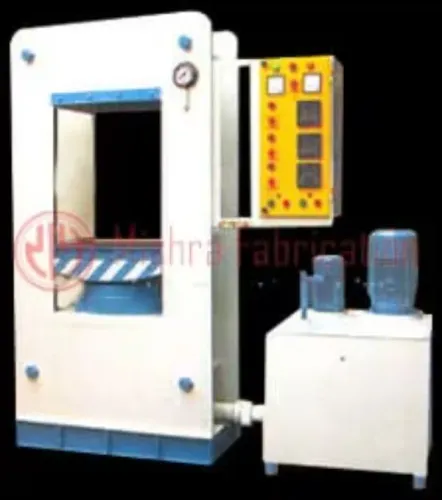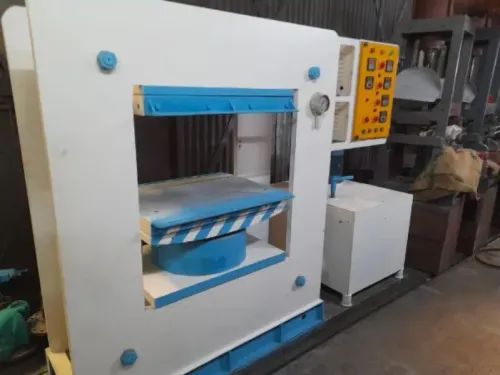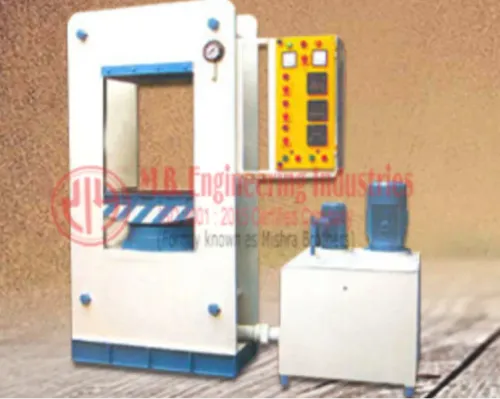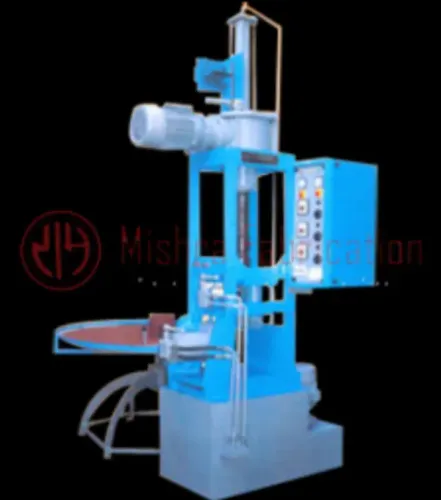


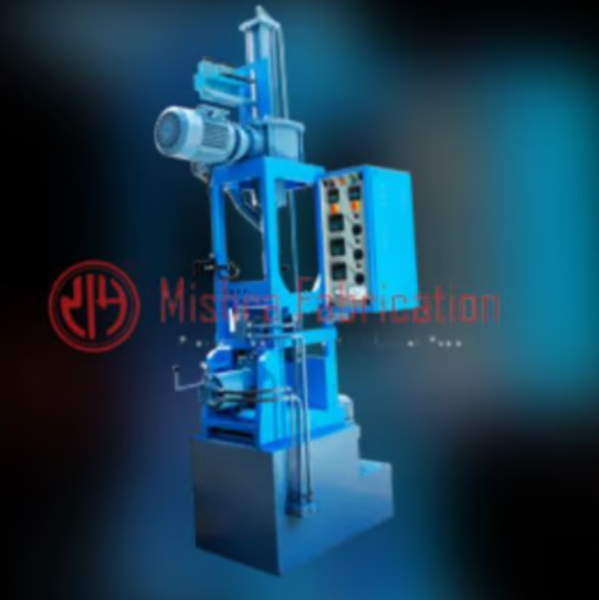
Investing in the right Sole Making Machine in Delhi NCR can significantly improve the efficiency and quality of footwear production. The sole is one of the most important components of any shoe, affecting durability, comfort, grip, and overall performance. Whether a manufacturer produces casual footwear, school shoes, industrial safety shoes, or sports footwear, selecting suitable machinery plays a vital role in maintaining consistent production standards.
Delhi NCR has established itself as an important manufacturing hub for industrial machinery, offering footwear businesses access to modern equipment, engineering expertise, and reliable technical support. However, choosing the right sole making machine involves more than comparing prices or production speeds. Manufacturers should evaluate their production goals, material requirements, and future expansion plans before making an investment.
What Does a Sole Making Machine Do?
A sole making machine is designed to manufacture footwear soles using different materials through controlled production processes. Depending on the machine type and manufacturing method, it can produce soles in various sizes, patterns, and designs while maintaining consistency across production batches.
These machines are commonly used for manufacturing:
- Sports shoe soles
- School shoe soles
- Slipper soles
- Sandal soles
- Industrial safety shoe soles
- Fashion footwear soles
Modern machines are designed to minimise production errors while improving overall efficiency.
Why High-Quality Sole Production Matters
The sole directly influences the performance and durability of footwear. Even if the upper portion of a shoe is well designed, poor-quality sole production can affect customer satisfaction and product reliability.
A well-configured sole making machine helps manufacturers achieve:
- Consistent sole thickness
- Better material bonding
- Uniform product dimensions
- Improved surface finish
- Reduced rejection rates
These improvements contribute to better production quality and lower operational costs.
Materials Used in Sole Manufacturing
Different footwear products require different sole materials depending on their intended use.
Some commonly used materials include:
- EVA
- PVC
- TPR
- TPU
- Rubber
- PU
Before purchasing machinery, manufacturers should verify that it supports the materials used in their product range.
Key Factors to Consider Before Buying
Selecting industrial machinery requires careful planning. The following considerations can help businesses make a practical investment.
Production Capacity
Estimate your expected daily output. Choosing machinery with appropriate production capacity ensures smooth operations without unnecessary underutilisation or bottlenecks.
Automation Features
Modern machines often include programmable controls, automated temperature regulation, and digital monitoring systems. These features improve consistency while reducing manual intervention.
Energy Efficiency
Manufacturing costs are closely linked to electricity consumption. Energy-efficient machines can reduce long-term operating expenses without affecting productivity.
Ease of Maintenance
Machines that allow convenient servicing and provide easy access to replacement components reduce downtime and support uninterrupted production.
Mould Compatibility
Manufacturers producing multiple footwear designs should confirm that the equipment can accommodate different mould sizes and configurations.
Common Challenges in Sole Manufacturing
Many production issues can be traced back to machinery limitations or improper machine selection.
Typical challenges include:
- Uneven sole thickness
- Surface defects
- Excessive material wastage
- Long production cycles
- Frequent machine breakdowns
- Inconsistent mould filling
Selecting machinery that matches production requirements helps minimise these issues and improves manufacturing efficiency.
Why Delhi NCR Is a Strategic Location
Footwear manufacturers operating in Delhi NCR benefit from an established industrial ecosystem that supports machinery procurement and maintenance.
Some regional advantages include:
- Strong engineering and manufacturing infrastructure
- Availability of skilled technical professionals
- Well-connected logistics network
- Easy access to industrial spare parts
- Better availability of maintenance support
These advantages help manufacturers maintain efficient production while reducing operational disruptions.
Questions to Ask Before Purchasing
Before finalising a sole making machine, manufacturers should discuss key technical aspects with the supplier.
Important questions include:
- Which materials can the machine process?
- What is the expected production output per shift?
- How energy efficient is the machine?
- What maintenance schedule is recommended?
- Are spare parts readily available?
- Does the supplier provide installation and operator training?
Answers to these questions provide a clearer understanding of the machine's long-term suitability.
Choosing a Reliable Machinery Manufacturer
The machinery supplier plays an important role beyond the initial purchase. A dependable manufacturer should provide technical guidance, installation assistance, operator training, and responsive after-sales support.
Among the companies serving this industry, Mishra Fabrication manufactures machinery for footwear production with solutions designed for different manufacturing requirements. Businesses evaluating equipment options often refer to the product information available on mishrafabrication.com to understand machine specifications and production capabilities before making an investment.
Final Thoughts
Selecting the right Sole Making Machine in Delhi NCR requires balancing production capacity, material compatibility, automation features, maintenance requirements, and long-term operational goals. A thoughtful investment can improve manufacturing efficiency, reduce production waste, and help maintain consistent product quality.
As footwear manufacturing continues to evolve, businesses that invest in reliable and well-supported machinery are better equipped to respond to changing market demands, optimise production processes, and build sustainable growth over the long term.