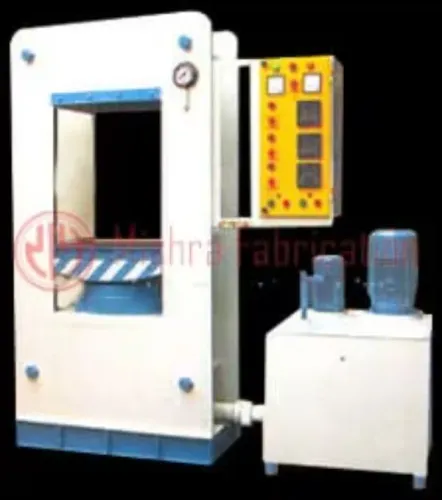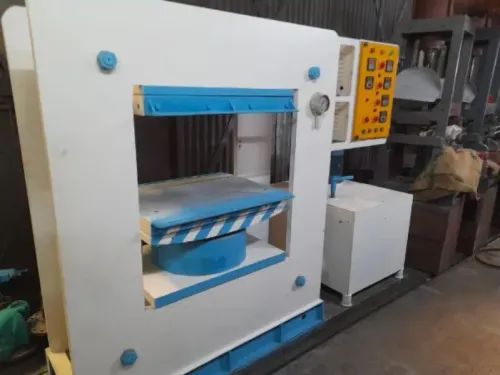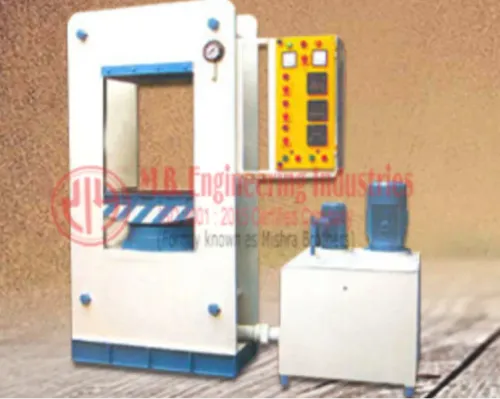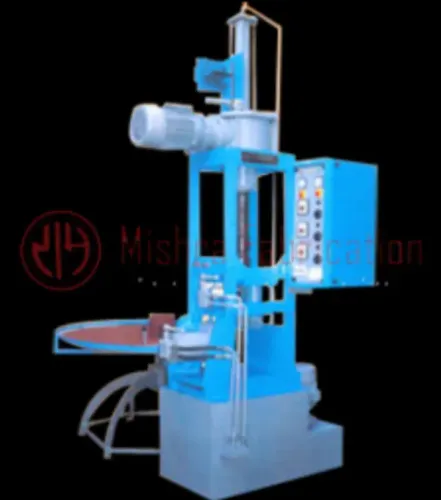

An Automatic Sole Pressing Machine in Delhi NCR plays a critical role in modern footwear manufacturing by ensuring that the upper and sole are joined with consistent pressure and precision. As production volumes increase and customer expectations continue to evolve, manufacturers need equipment that delivers reliable bonding quality while maintaining efficient production cycles.
Manual sole pressing methods often depend on operator skill, which can lead to variations in pressure, alignment, and overall product quality. Automatic machines are designed to minimise these inconsistencies, making them a practical choice for factories focused on improving productivity and reducing defects.
If your business manufactures sports shoes, school footwear, industrial safety shoes, sandals, or casual footwear, understanding the benefits of an automatic sole pressing machine can help you evaluate whether it is the right addition to your production line.
What Is an Automatic Sole Pressing Machine?
An automatic sole pressing machine is designed to apply controlled pressure that securely bonds the upper section of a shoe with its sole. The machine uses programmed settings to ensure uniform pressure throughout each production cycle, reducing variations that may occur during manual operations.
These machines are commonly used in the manufacturing of:
- Sports shoes
- School shoes
- Leather footwear
- Safety shoes
- Casual footwear
- Industrial work shoes
The objective is to achieve strong and consistent bonding while maintaining production efficiency.
Why Sole Pressing Is Important
The quality of sole attachment directly affects the durability and performance of finished footwear. Poor bonding may result in premature sole separation, uneven finishing, or customer complaints.
An effective sole pressing process helps manufacturers achieve:
- Better product durability
- Consistent bonding strength
- Improved product appearance
- Reduced rejection rates
- Higher customer satisfaction
For manufacturers producing footwear at scale, maintaining consistency across every pair is essential.
Advantages of Automatic Sole Pressing Machines
Modern automatic machines offer several operational benefits over manual systems.
Uniform Pressure Application
Automated controls ensure that each footwear component receives consistent pressure during the bonding process, reducing quality variations.
Faster Production
Automatic operation reduces cycle time and enables factories to process more footwear within the same production shift.
Improved Product Consistency
Standardised machine settings help maintain uniform quality across large production batches.
Reduced Labour Dependency
Automation minimises manual effort while allowing operators to monitor production more efficiently.
Better Production Planning
Consistent machine performance makes it easier to estimate production schedules and meet delivery commitments.
Features to Consider Before Purchasing
Every manufacturing unit has different production requirements. Before investing in an automatic sole pressing machine, manufacturers should evaluate the following features.
Pressure Control
The machine should allow accurate adjustment of pressing pressure to suit different footwear designs and materials.
Adjustable Working Area
Factories producing multiple shoe sizes benefit from machines with adjustable working configurations.
Cycle Time
Compare machine speed while ensuring that higher output does not compromise bonding quality.
Control System
Digital control panels simplify operation, improve monitoring, and allow quick adjustments during production.
Safety Features
Look for emergency stop systems, operator protection mechanisms, and automatic fault detection to improve workplace safety.
Common Production Challenges Solved by Automatic Pressing
Manufacturers often encounter issues that affect finished product quality.
Some common problems include:
- Uneven bonding
- Sole misalignment
- Manual pressure variations
- Increased product rejection
- Lower production efficiency
- Inconsistent finishing quality
Automatic machines help reduce these challenges by delivering controlled and repeatable production cycles.
Why Delhi NCR Is a Preferred Location for Machinery Procurement
Delhi NCR has become one of India's leading industrial regions for footwear machinery and manufacturing equipment.
Businesses operating in the region benefit from:
- Established industrial infrastructure
- Access to experienced machinery manufacturers
- Skilled engineering professionals
- Efficient transportation networks
- Availability of maintenance and technical support
These factors simplify equipment procurement and long-term machine servicing.
Selecting the Right Machinery Provider
Purchasing industrial equipment involves evaluating both the machine and the company behind it.
Before choosing a supplier, manufacturers should ask:
- What types of footwear can the machine handle?
- What production capacity is recommended?
- Is installation support included?
- How quickly can spare parts be supplied?
- What preventive maintenance services are available?
- Does the supplier provide operator training?
Clear answers to these questions help businesses select machinery that supports long-term production goals.
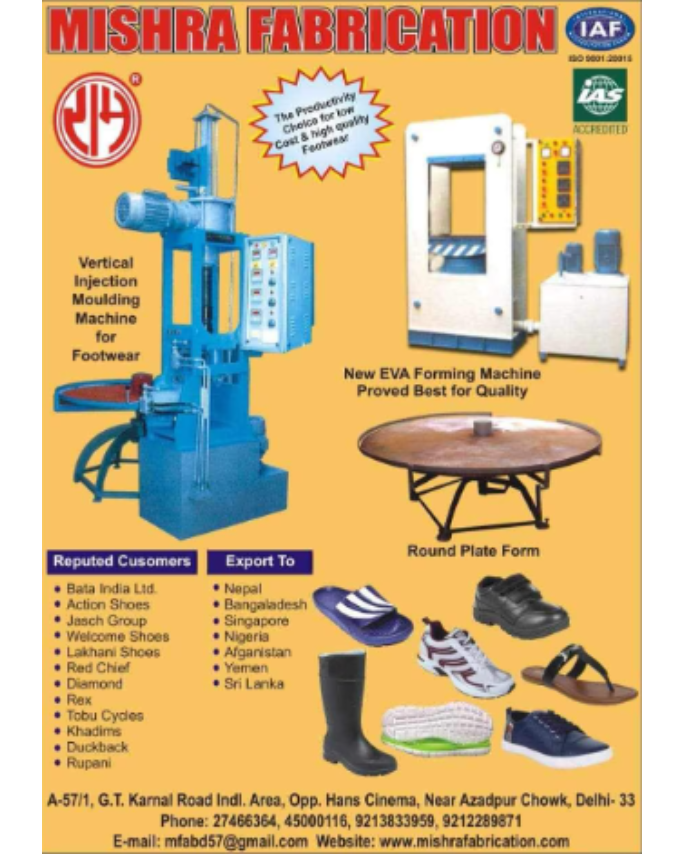
Among the manufacturers serving this industry, Mishra Fabrication develops footwear production machinery for a variety of manufacturing applications. Businesses exploring automatic sole pressing systems often review the technical information available on mishrafabrication.com to understand machine features, production capabilities, and available configurations.
Final Thoughts
An Automatic Sole Pressing Machine in Delhi NCR can help footwear manufacturers improve bonding quality, increase production efficiency, and maintain greater consistency across every production batch. By comparing machine features, evaluating automation capabilities, and selecting equipment that aligns with factory requirements, manufacturers can make an investment that supports sustainable operational growth.
As production standards continue to rise, adopting reliable and efficient machinery allows footwear businesses to enhance manufacturing processes while remaining competitive in an evolving marketplace.