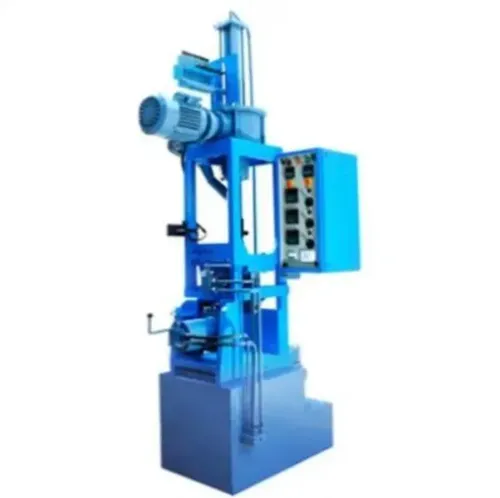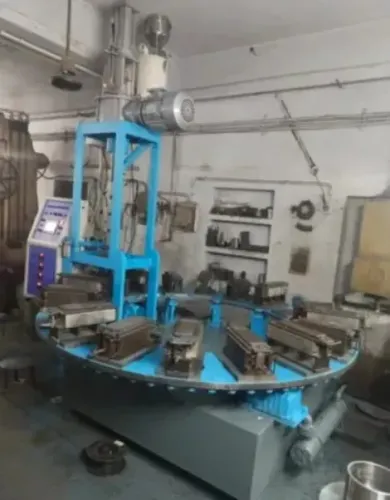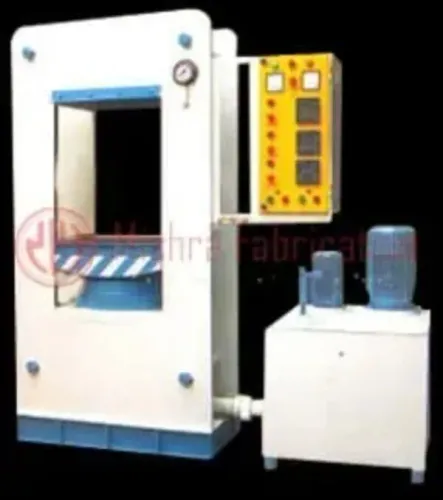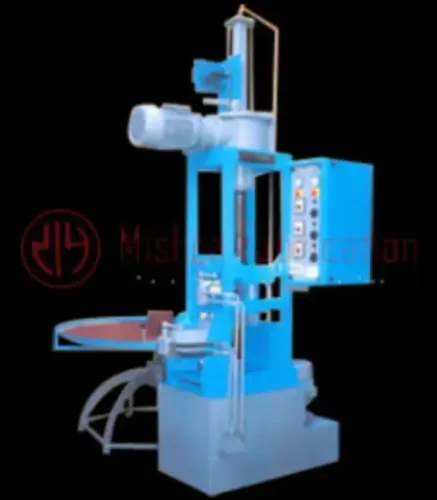
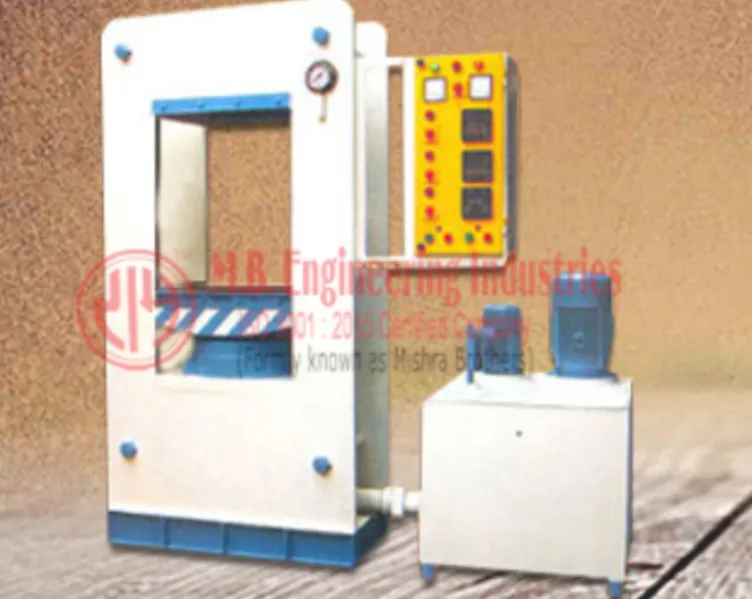
Sole pressing influences bonding consistency, product shape and final appearance. When pressure, positioning or timing varies between cycles, footwear units may experience weak adhesion, uneven edges, deformation or avoidable rework.
Working with an Automatic Sole Pressing Machine Supplier in Delhi NCR can help address these issues, but automation must be supported by correct process settings and disciplined material preparation.
Common Reasons for Sole Pressing Defects
Not every rejection originates from the pressing machine. Poor surface preparation, incorrect adhesive use and inconsistent component placement can also affect the result.
Frequent causes include:
- Uneven pressure distribution
- Incorrect pressing time
- Misaligned upper and sole
- Contaminated bonding surfaces
- Inadequate adhesive activation
- Variation in sole dimensions
- Worn pressing pads or fixtures
- Inconsistent operator methods
Production teams should categorise defects before changing machine settings.
How Automatic Pressing Improves Consistency
An automatic machine can apply programmed pressure for a controlled duration. This reduces variation caused by manual force and individual operator habits.
Depending on the equipment, useful features may include:
- Adjustable pressure
- Programmable holding time
- Consistent release
- Multiple pressing modes
- Cycle counters
- Safety interlocks
- Fault indicators
- Product-specific setting storage
Automation provides repeatability, but the selected settings must still suit the footwear construction and adhesive system.
Pressure Must Match the Product
Too little pressure may prevent proper contact between surfaces. Excessive pressure can distort the sole, squeeze out adhesive or damage delicate footwear components.
The appropriate pressure depends on sole material, design, adhesive and contact area. Trials should be conducted across representative sizes because a setting that works for a small shoe may not be ideal for a larger one.
Fixtures and Pads Require Attention
A pressing system must support the shape of the footwear evenly. Incorrect or worn pads can create high-pressure points and leave other areas insufficiently pressed.
Inspect fixtures for wear, contamination and deformation. When the factory changes to a new sole design, verify whether the existing fixture provides proper contact.
Maintenance teams should treat pressing pads as process-critical consumables rather than waiting for visible failure.
Standardise the Preparation Process
Automatic pressing cannot compensate for uncontrolled preparation. Establish clear instructions for roughening, cleaning, adhesive application, drying or activation and positioning.
Useful production controls include:
- Approved adhesive quantity
- Defined open time
- Surface-cleanliness checks
- Temperature checks where activation is required
- Visual alignment guides
- Standard pressing parameters
- Post-press inspection criteria
Keeping sample standards near the workstation helps operators recognise acceptable bonding and alignment.
Use Rejection Data to Improve Settings
Record defect type, footwear style, size, material batch, machine setting and operator shift. Patterns in this data can reveal whether rejections are associated with a particular product or process stage.
Change one parameter at a time during trials. Adjusting pressure, time and preparation simultaneously makes it difficult to identify the actual cause.
Assess the Supplier’s Readiness
A capable supplier should ask about footwear type, daily output, sole construction and existing workflow. The proposed machine should fit the product range and available workspace.
Mishra Fabrication can be considered for sole-pressing requirements based on machine configuration, trial support, operator training and access to service within Delhi NCR. Buyers should provide samples of their most common and most difficult products during evaluation.
Maintain Consistency After Installation
Daily checks may include air or hydraulic pressure, safety devices, pressing surfaces and unusual noise. Periodic inspection should cover seals, connections, controls and alignment.
Settings should be protected from unauthorised changes. When adjustments are necessary, they should be documented by product style.
An automatic sole pressing machine can reduce variation when it is combined with suitable fixtures, controlled preparation and data-based parameter setting. The most reliable improvement comes from treating pressing as part of the complete bonding process rather than as an isolated machine operation.
Keywords