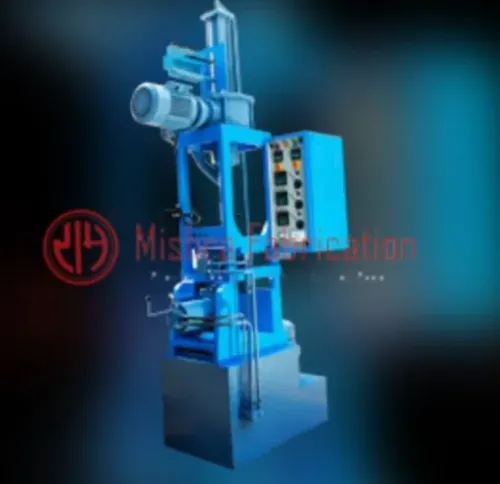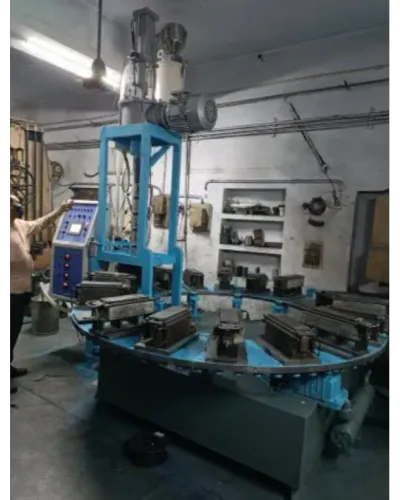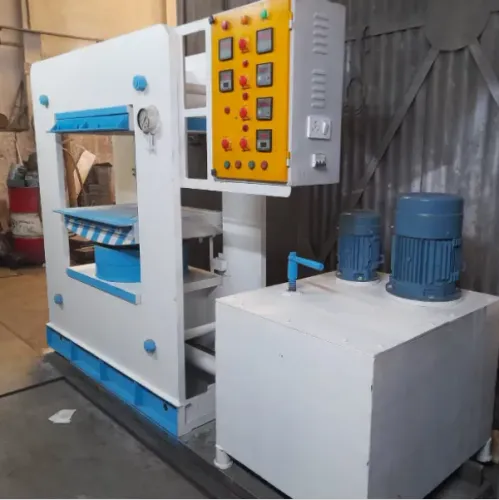

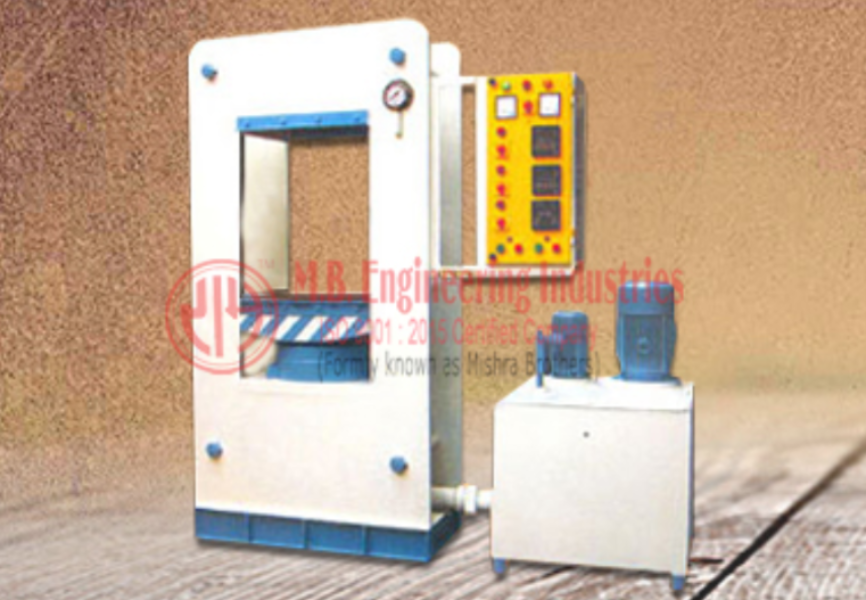
Choosing the right Footwear Making Machine in Delhi NCR is one of the most important decisions for businesses involved in footwear production. Whether you manufacture slippers, sandals, school shoes, safety footwear, or sports shoes, the machinery used in your production line directly affects product quality, production speed, operational costs, and long-term profitability.
With the footwear industry becoming increasingly competitive, manufacturers are looking for equipment that delivers consistent performance while supporting higher production volumes. Delhi NCR has emerged as a key industrial region where businesses can access a wide range of footwear manufacturing machinery, technical expertise, and engineering support. Understanding what to look for before making an investment can help manufacturers build a more efficient and future-ready production setup.
What Is a Footwear Making Machine?
A footwear making machine refers to industrial equipment used during different stages of shoe manufacturing. Instead of relying heavily on manual processes, modern machines automate production, improve precision, and help manufacturers maintain consistent quality across every batch.
Depending on the production process, footwear manufacturing may involve machines for:
- Sole moulding
- Upper attachment
- EVA forming
- Injection moulding
- Sole pressing
- Trimming and finishing
- Material preparation
Each machine performs a specialised function, making it essential to choose equipment that fits the products your factory manufactures.
Why Modern Machinery Matters
Customer expectations for footwear quality continue to rise. Buyers expect products that are durable, comfortable, and visually consistent. Modern footwear making machines help manufacturers achieve these standards while improving production efficiency.
Some key advantages include:
- Faster manufacturing cycles
- Better dimensional accuracy
- Reduced material wastage
- Improved production consistency
- Lower dependence on manual labour
- Easier quality control
These benefits contribute to smoother operations and more predictable manufacturing outcomes.
Factors to Consider Before Purchasing
Selecting machinery should involve more than comparing prices. Manufacturers should evaluate both immediate production needs and long-term business goals.
Production Capacity
Calculate your expected daily and monthly production requirements. Choosing machinery with appropriate output capacity prevents production bottlenecks and supports future expansion.
Material Compatibility
Different footwear products require different materials, including:
- EVA
- PVC
- TPU
- Rubber
- TPR
Ensure that the machine is designed to process the materials used in your manufacturing operations.
Automation Level
Automated machines often improve efficiency by reducing manual intervention. Features such as digital controls, programmable settings, and automated production cycles can simplify factory operations.
Energy Consumption
Energy-efficient machinery helps reduce operating costs over the life of the equipment, making it an important consideration for manufacturers managing production expenses.
Maintenance and Service
Machines that are easy to maintain and supported with readily available spare parts help minimise downtime and improve long-term productivity.
Common Applications Across the Footwear Industry
Footwear making machines are used across a wide variety of manufacturing segments.
These include:
- School footwear
- Casual footwear
- Industrial safety shoes
- Sports footwear
- Fashion footwear
- Slippers and sandals
- EVA footwear products
The versatility of modern machinery allows manufacturers to diversify their product range without completely redesigning production systems.
Mistakes to Avoid When Buying Footwear Machinery
Many businesses make purchasing decisions based solely on the initial investment. This approach can create operational challenges later.
Some common mistakes include:
- Selecting machinery with insufficient production capacity
- Ignoring future business expansion
- Overlooking energy efficiency
- Purchasing equipment without evaluating after-sales support
- Failing to verify spare parts availability
- Choosing machines that are incompatible with production materials
Avoiding these mistakes helps manufacturers maximise the return on their investment.
Why Delhi NCR Continues to Attract Manufacturers
Delhi NCR offers a strong industrial ecosystem that supports footwear production businesses of all sizes. The region provides several practical advantages, including:
- Well-developed manufacturing infrastructure
- Skilled engineering professionals
- Efficient transportation networks
- Access to industrial suppliers
- Availability of technical servicing
These factors make it easier for footwear manufacturers to maintain production continuity while scaling operations.
Selecting the Right Machinery Partner
A machinery supplier should provide more than equipment alone. Businesses should also consider the provider's experience, technical knowledge, installation support, and commitment to after-sales service.
When evaluating potential manufacturers, consider asking:
- What production capacity does the machine support?
- Which materials can it process efficiently?
- Is operator training included?
- How quickly are spare parts available?
- What maintenance support is offered after installation?
Reliable answers to these questions help manufacturers make informed purchasing decisions.
One example of a company serving this sector is Mishra Fabrication, which manufactures footwear machinery designed for different production requirements. Manufacturers exploring machinery options often review the technical information available on mishrafabrication.com to understand available machine configurations and manufacturing capabilities.
Final Thoughts
Investing in the right Footwear Making Machine in Delhi NCR is an important step toward building an efficient, reliable, and scalable manufacturing operation. By evaluating production capacity, automation features, material compatibility, maintenance requirements, and long-term support, manufacturers can choose equipment that aligns with both present operations and future business growth.
As footwear manufacturing continues to evolve, businesses that invest in dependable machinery and well-planned production systems are better positioned to improve product quality, increase operational efficiency, and meet the changing demands of the market.