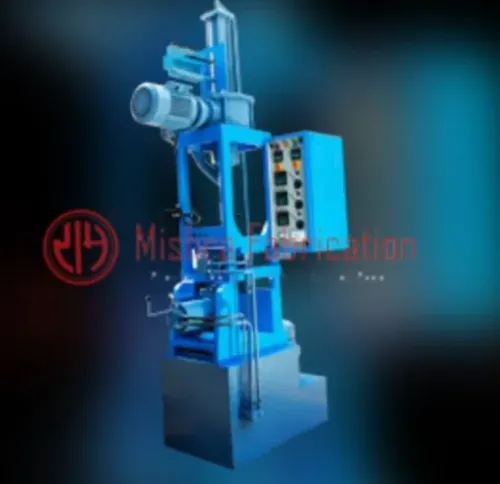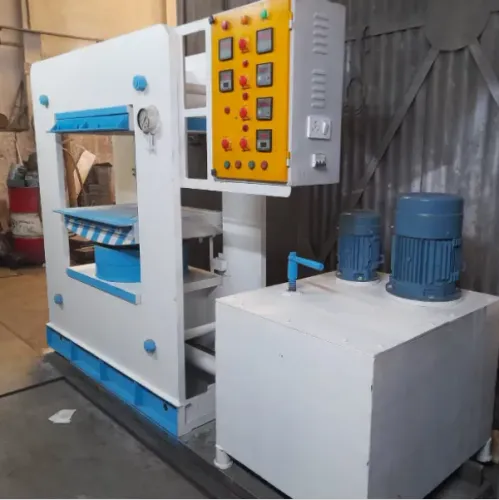


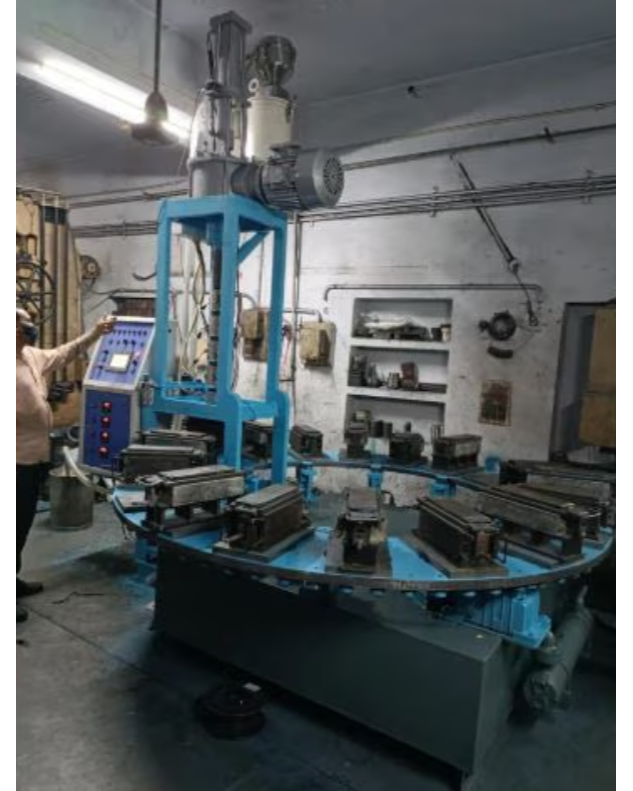
Vertical injection moulding machines are commonly used when an operator or automated system must position an insert inside the mould before injection. The vertical clamping arrangement can make loading easier and helps keep certain inserts in place during mould closure.
Selecting a Vertical Injection Moulding Machine Manufacturer in Delhi NCR requires an understanding of the application, because insert geometry and handling needs can significantly affect machine design.
Where Vertical Machines Are Used
Vertical machines can be considered for footwear components and a wide range of industrial parts. Typical applications include:
- Soles with embedded elements
- Straps and footwear accessories
- Electrical components
- Metal-plastic assemblies
- Seals and gaskets
- Handles and grips
- Small engineered parts
- Components requiring manual insert placement
Their suitability depends on the mould, material and required output. A vertical configuration should not be selected merely because insert moulding is involved; the complete process still needs technical evaluation.
Advantages of Vertical Clamping
Gravity can help retain an insert on the lower mould section while the mould closes vertically. This may reduce displacement during setup and make the loading area more accessible to the operator.
Depending on the model and application, vertical machines may also provide:
- Better visibility during insert placement
- Compact use of factory floor space
- Easier integration with rotary tables
- Support for multiple lower moulds
- Reduced waiting time between insert-loading cycles
- Flexible manual or automated loading
These benefits are meaningful only when the machine and tooling are designed as one coordinated system.
Importance of Insert Positioning
An inaccurately positioned insert can cause flash, incomplete encapsulation, tool damage or rejection of the moulded part. The mould may require locating pins, nests, magnets or mechanical holding features.
During machine discussions, buyers should provide insert drawings and physical samples. The manufacturer must consider placement tolerance, operator access, insert temperature and the possibility of movement during injection.
Fixed Table and Rotary Platform Options
A fixed-table vertical machine can suit low-volume or relatively simple insert-loading operations. The operator loads and unloads at the moulding position, so the machine may remain idle during handling.
A rotary platform can separate loading from moulding. While injection takes place at one station, the operator can prepare another lower mould at a different station. This arrangement can reduce non-productive time and improve output.
The expected benefit should be calculated using actual loading and cycle times. A rotary platform adds complexity, so it should solve a measurable production need.
Safety Requirements
Insert moulding involves human interaction close to the mould area. Safety systems must therefore be treated as essential design elements.
Buyers should evaluate:
- Guarding around moving sections
- Two-hand operating controls where applicable
- Emergency-stop accessibility
- Interlocked doors or covers
- Sensors for mould-area detection
- Low-pressure mould protection
- Clear operating indicators
- Safe loading height
Operators should receive training on approved loading procedures and should never bypass safety interlocks to save cycle time.
Machine Specification Considerations
The manufacturer needs data about the moulded part, insert and material to determine clamping force, injection capacity and table arrangement. Other relevant factors include mould height, tie-bar spacing, platen dimensions and ejection method.
Temperature controls should be suitable for the selected material. Hydraulic movement must be stable, and the control system should allow important parameters to be adjusted and stored.
Delhi NCR manufacturers may also need to consider available floor area, connected electrical load and ambient factory conditions. Local installation and service access can simplify commissioning and routine support.
Mishra Fabrication manufactures machinery for footwear and industrial applications, including requirements involving vertical moulding configurations. Buyers should request a technical proposal based on their part drawing, mould details and target cycle.
The success of vertical injection moulding depends on repeatable insert placement, safe handling and stable process control. When these elements are evaluated together, the machine can deliver reliable production without placing unnecessary pressure on operators or tooling.