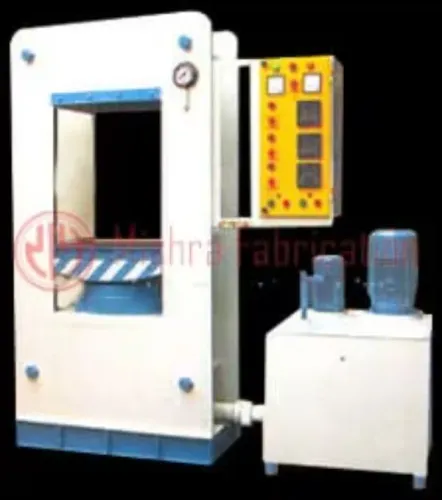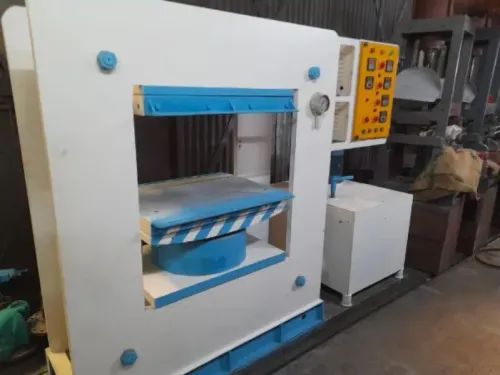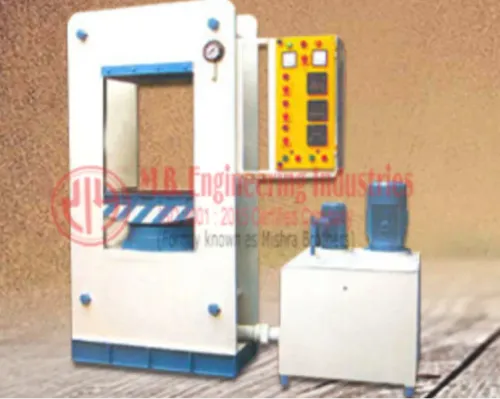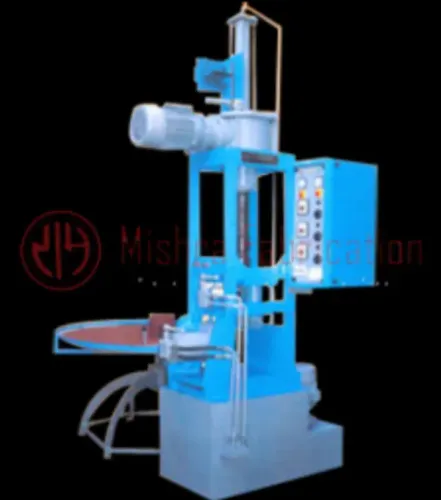


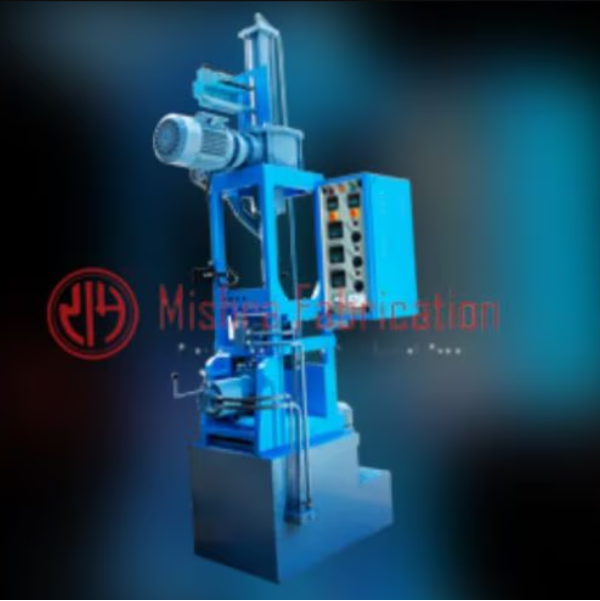
Footwear manufacturing involves several connected processes, including material preparation, moulding, forming, pressing, trimming and finishing. The efficiency of the complete production line depends greatly on how well the individual machines work together.
When evaluating a Footwear Machinery Manufacturer in Delhi NCR, buyers should look beyond a product catalogue. Manufacturing capability, machine construction, process understanding and post-installation support all influence long-term performance.
Relevant Footwear Production Experience
A general fabricator may be capable of building a machine frame but may not understand the process variables involved in footwear production. Different footwear products require different temperature ranges, pressures, mould configurations and cycle controls.
Ask whether the manufacturer has experience with machinery for:
- PVC footwear
- EVA products
- Slippers and sandals
- Shoe soles
- Safety footwear
- Multicolour components
- Insert-moulded products
- Custom footwear parts
Relevant experience helps the manufacturer anticipate common issues involving mould alignment, material flow, cooling and demoulding.
Machine Construction Quality
A machine must withstand repeated production cycles without losing alignment or stability. Inspect the frame, platform, clamping assembly, hydraulic arrangement and electrical enclosure.
Important indicators include:
- Rigid structural fabrication
- Accurate machining of critical parts
- Stable platen alignment
- Protected wiring and connections
- Properly routed hydraulic lines
- Accessible lubrication points
- Reliable safety guards
- Clearly marked controls
A visually attractive machine is not necessarily well built. Buyers should focus on the components and assemblies that affect accuracy, operator safety and maintenance.
Ability to Customise the Equipment
Factories do not always have identical requirements. One unit may need a compact machine for limited floor space, while another may require additional stations or a specific mould size.
A capable manufacturer should be able to discuss:
- Production output per shift
- Number of operating stations
- Material compatibility
- Mould dimensions
- Heating and cooling requirements
- Automation level
- Electrical load
- Factory layout restrictions
Customisation should be based on a documented requirement rather than informal changes made during fabrication.
Component Selection and Transparency
Buyers should know which motors, pumps, valves, controllers, heaters and safety components are being used. Unbranded or difficult-to-source components can make future repairs expensive and slow.
Request a clear technical specification with component details. If alternatives are proposed, ask how they affect performance, warranty coverage and spare availability.
Testing Before Dispatch
Testing should include more than switching on the machine. A proper pre-dispatch inspection may cover temperature control, hydraulic pressure, safety systems, platform movement, cycle repeatability and trial production.
Factory representatives should ideally observe the test or receive documented results. Any mould or material required for the trial should be agreed upon in advance.
Installation and Operator Training
Even a well-built machine can underperform when installation is rushed or operators do not understand the controls. Confirm whether the manufacturer provides foundation guidance, electrical requirements, commissioning support and training.
Training should cover:
- Safe startup and shutdown
- Parameter setting
- Mould installation
- Material preparation
- Routine cleaning
- Fault identification
- Preventive maintenance
- Emergency procedures
Written operating instructions are particularly useful when employee roles change.
Regional Service Capability
Factories throughout Delhi NCR may operate in areas such as Delhi, Faridabad, Gurugram, Noida, Greater Noida and Ghaziabad. Although these locations form one industrial region, travel time and service availability can vary.
Buyers should ask who handles service calls, which spares are stocked and how technical support is provided after the warranty period. Mishra Fabrication can be evaluated on these practical factors alongside its machinery specifications and manufacturing experience.
Final Verification Before Ordering
Before issuing a purchase order, confirm the machine model, capacity, accessories, delivery schedule, installation responsibility and acceptance criteria in writing. Review warranty exclusions and payment milestones carefully.
A dependable footwear machinery manufacturer should provide clear technical answers and realistic performance expectations. Thorough evaluation protects the factory from mismatched capacity, avoidable downtime and unplanned modification costs.